What Is Solo Health Practice? (And Is It Right for You?)
Ever wonder if working for yourself as a health practitioner is right for you? Maybe you love caring for clients but worry that the mountain of admin tasks, paperwork, and constant phone pinging would drive you up the wall.
You’re not alone. Many solo acupuncturists, physiotherapists and chiropractors feel energized by their client work but secretly wish someone else would handle the tax forms and cleaning chores.
The idea of breaking away from a boss or big clinic and setting up your own practice might sound either wildly freeing or a bit scary (or both). I’ve been there! Let’s get real about what a solo health practice looks like and help you decide if it’s the right next step for you.
What Is Solo Health Practice?
A solo health practice puts you in the driver’s seat. You’re the only practitioner. There are no partners and no clinical boss lurking in the background. Every business hat – clinician, receptionist, cleaner, bookkeeper – lands squarely on your own head.
You might be:
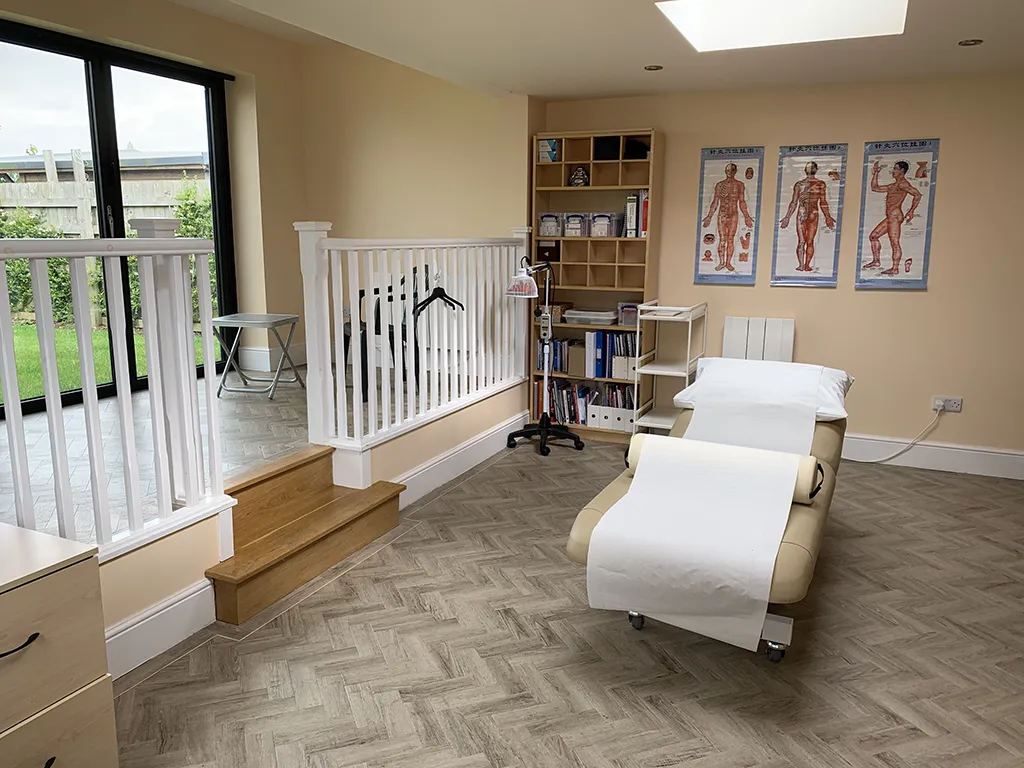
Personally, I had a small annex attached to my house (it was once a garage, converted so that it was much more welcoming), which gave me my clean and clear acupuncture space, away from the busyness of home, while still letting me sneak next door for tea or dog cuddles.
Why Do Practitioners Choose to Go Solo?
There’s definitely something about steering your own ship. It’s the sense of freedom that tempts most people to open a solo practice. Here’s what draws health professionals like us toward working this way:
All in all, freedom and flexibility were the biggest perks for me. You get to shape your days around what you value most, whether that’s family, creative projects, or simply more calm.

Understanding the Trade-offs of Solo Practice
With freedom though, comes a set of responsibilities. Before jumping in, it’s smart to look at the other side of the coin.
Suitability: Is Solo Practice Right for You?
It’s a big shift from focusing only on client care to juggling many roles. Here’s how to figure out if you might thrive flying solo.
Reflect on Your Comfort with Wearing Multiple Hats
You’ll need to handle both hands-on client work and the behind-the-scenes admin. Are you curious about the business side? Will you take time to either learn those skills or find help?
Preference for Autonomy or Teamwork
If you’re most comfortable working independently, you might be in your element. If you miss group chats or shared tasks, solo practice could be isolating.
Managing Income Fluctuations
Solo practice usually means bumpy income patterns – busy spells followed by lulls. Are you able to ride out the slow patches, or does that sound too stressful?
Self-Assessment: Are You Suited for Solo Practice?
If you find yourself saying “yes” more than “no,” solo practice might suit you well.
How My Own Personal Journey Shapes This Advice
I decided to retrain as an acupuncturist just before turning 50. After learning the clinical skills, I ran my own practice – South Scarborough Acupuncture – for five years. The autonomy felt wonderful.
I get what it’s like to feel buried under client notes, emails and end of year tax demands. But I also know there’s a way out of overwhelm – and that you can actually enjoy running your own show if you set things up right.
Balancing time for family, friends and a thriving business didn’t come naturally. It took both some stumbles and a lot of small tweaks. But you can do it – truly.
Common Tasks Everyone Faces in Solo Practice
Solo health practitioners juggle many roles daily. These are the must-do tasks that fill out your week (besides seeing clients):
Checklist for Daily & Weekly Tasks:
Every task counts toward keeping things running smoothly. Getting comfortable with these jobs early makes future growth a whole lot easier.

How to Manage Non-clinical Work Efficiently
Admin doesn’t need to eat up your life. The key is to keep things as simple as possible (at least at the start).
Here’s how you can lighten the admin load:
Planning Your Work Schedule
It’s tempting to say “I’m flexible!” – but not having any plan is a recipe for overwork.
How I Handled My Schedule:
Sample Weekly Schedule:
Scheduling Tips:
Even with all the flexibility in the world, unscheduled days are likely to just get eaten up by random tasks. Be kind to your future self – plan a little.

Financial Considerations for Solo Health Practitioners
Money is a big part of the decision to go solo. The financial ups and downs of working for yourself can be a shock if you’re not prepared.
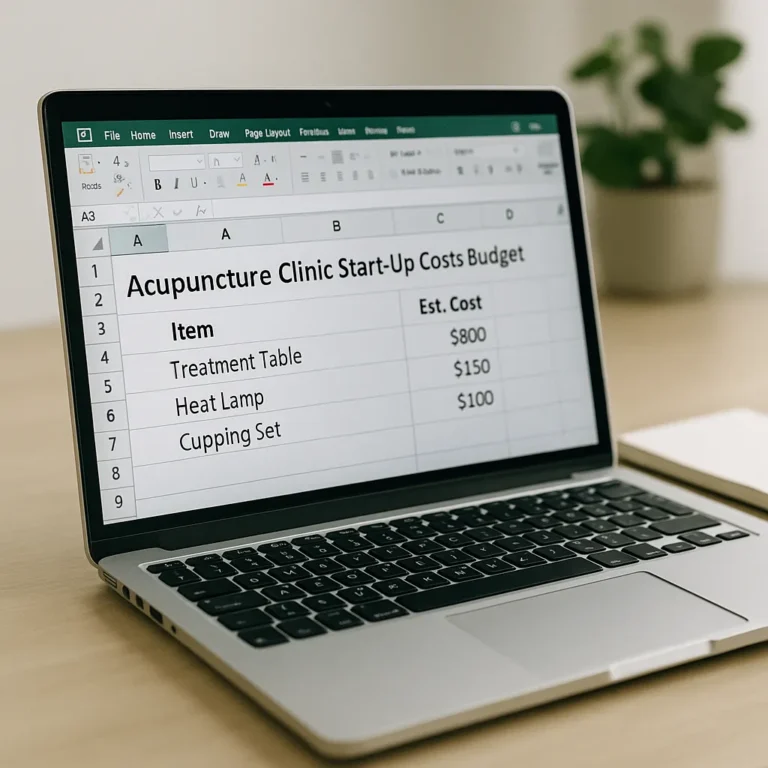
Basic Financial Planning Checklist:
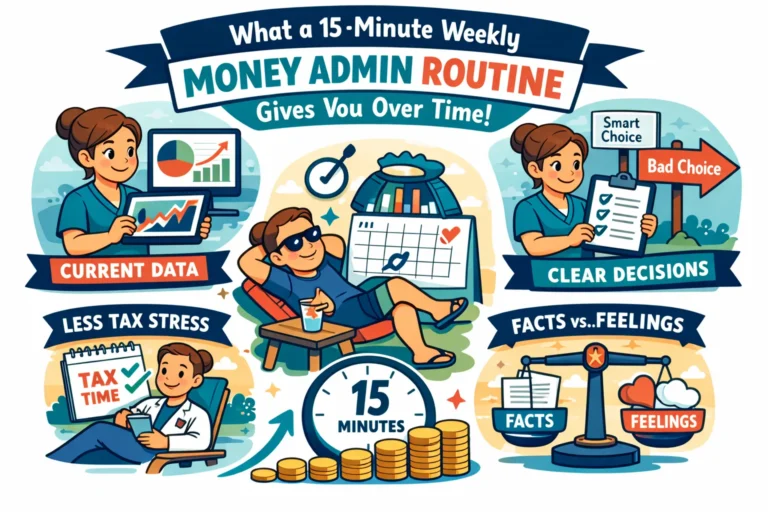
Top Tip: Money anxiety is normal. Build a routine for checking up on your finances and don’t bury your head in the sand.
Please Share
Have you got a question that I haven’t answered here? Drop it in the comments. This space is for sharing, not just reading. Sometimes the best advice comes from those who’ve been in the same shoes.
Let’s build a supportive community where no one has to figure it all out alone. And if this helped you today, consider passing it on to a colleague who might need it – a little support goes a long way.
Please pin one of these images to your main business tips board!