Effective Scheduling for Solo Practitioners: Tools & Tips
If you’re a solo acupuncturist, physio, massage therapist, or other independent healthcare provider, it can feel like your diary is constantly in charge. Juggling client care, admin, and your own needs can be tricky. You might even find yourself eating lunch at 4pm (if at all) or answering messages well into the evening.
Here, you’ll get real tips to help you shift the way you think about time, so your schedule works for you – not the other way round. Let’s get you set up so you can keep helping clients without running yourself ragged.
Understanding the Importance of Effective Scheduling
You likely became a healthcare provider because you care about people, not because you wanted to learn scheduling software or business admin. Lots of solo practitioners end up feeling a bit “tangled up” by their calendar, unsure how to balance everything. If your schedule feels out of control or you forget your own cup of tea until it’s gone cold, remember: it’s not a personal flaw.
Effective scheduling for solo practitioners is about more than keeping appointments. It’s about protecting your time, energy, and wellbeing, while giving great care. And here’s a gentle reminder – most training programs focus on clinical skills, not diary management. If you struggle with calendars, you’re not alone.
Here’s why this matters:
There’s also a bit of a mindset shift needed. When you start to see your calendar as an energy plan (not just time slots), it becomes part of your business. It’s not selfish to protect your time – it’s smart, it’s professional and, spoiler alert, you don’t have to feel guilty about it.
The Concept of Your Schedule as an Energy Plan
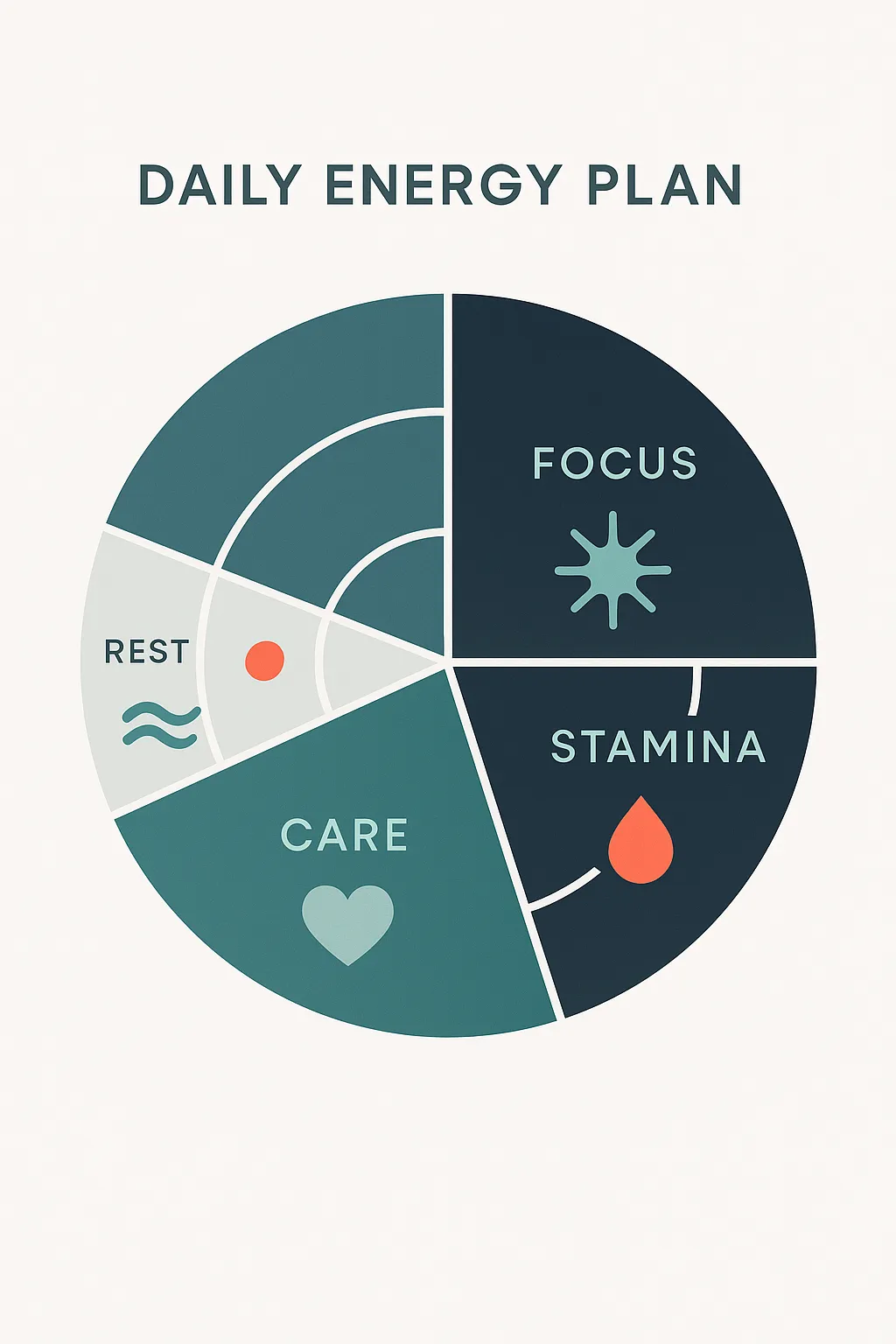
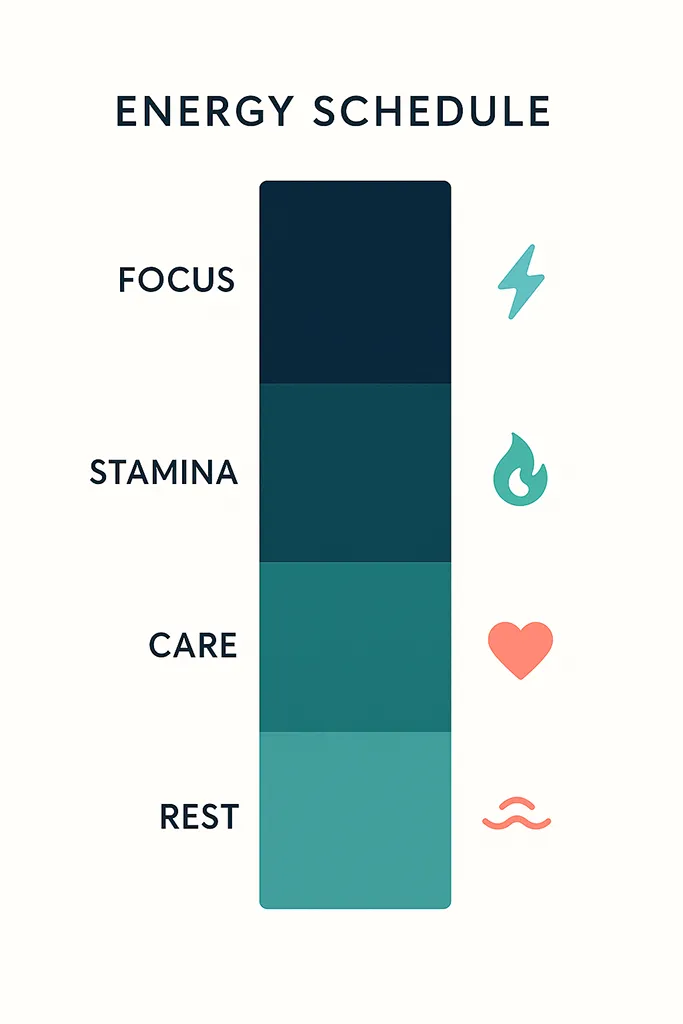
Treating your calendar like a simple list of times and tasks misses its real power. Think of it as your energy plan for the day. Each slot isn’t just an appointment – it’s a piece of your attention, stamina and care.
Some common habits quietly drain your energy, even if you don’t realize it:
These habits can leave you running on empty. If you’re tired or scattered, it’s so much harder to be present for your clients. It’s also a recipe for brain fog.
Letting your energy hit empty isn’t just tough on you. It can knock your reliability and make client care feel rushed or distracted. You don’t owe anyone a frazzled version of yourself.
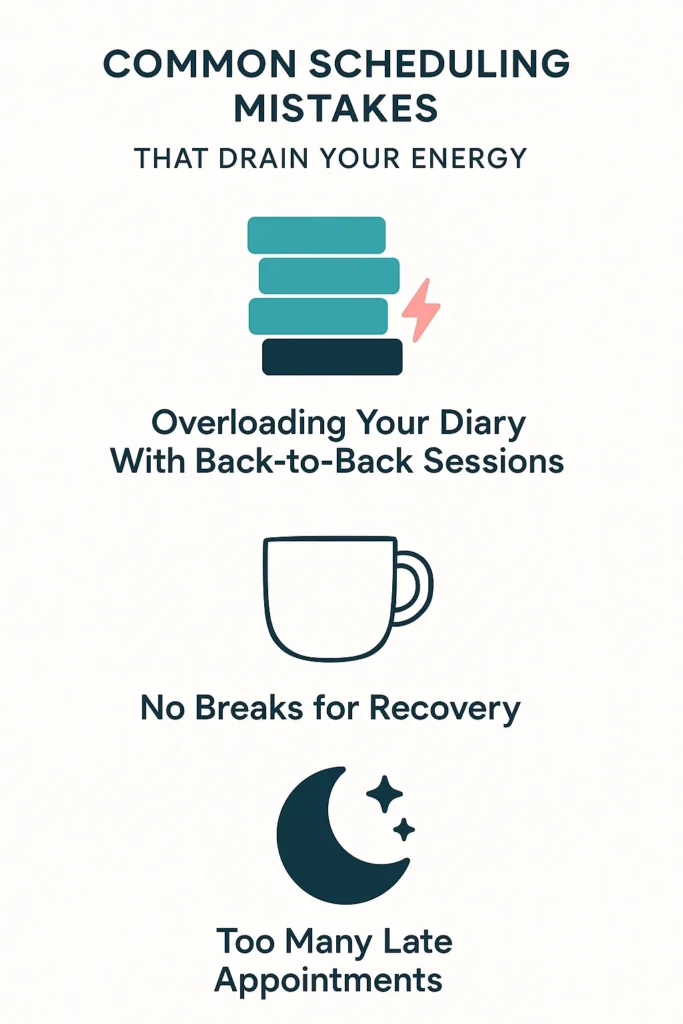
Common Scheduling Mistakes That Drain Your Energy
Every solo practitioner falls into these traps from time to time. The trick is spotting them, forgiving yourself and tweaking things for next week.
1. Overloading Your Diary With Back-to-Back Sessions It’s tempting to pack as many clients into your day as possible. But running from appointment to appointment leaves zero breathing room – no time for notes, a quick loo break, or even a moment to gather your thoughts. Eventually, that “busy hero” feeling fades, replaced by tiredness and grumpiness.
2. Trying to Remember Appointments in Your Head Memory is impressive (until it isn’t). Not writing things down is a brave but completely unnecessary risk. You don’t want to be caught out when a client arrives and you’re still in your slippers.
3. No Gaps for Breaks, Meals, or Note-Taking If you run straight through sessions with no pauses, your body and brain miss out. You might even skip important note-writing, which can affect your future care.
4. Mixing Up Virtual and In-Person Appointments It’s easy to double-book or forget which format you’ve agreed on. This can lead to surprises on your doorstep or empty online rooms.
5. Failure to Block Out Admin Time If admin is just squeezed in wherever there’s a gap (or worse, left until you’re too tired at the end of the day), you end up scrambling and stressed and it can lead to avoidable mistakes.
6. Always Putting Client Time Above Your Needs It feels noble to put clients first, but if you sacrifice your basic needs every day, you’re not setting a healthy example – and it isn’t sustainable.
Each of these mistakes chips away at both your wellbeing and your ability to provide steady, attentive care. Clients benefit when you have clear, manageable rhythms in your week.

How to Build Boundaries That Stick for Your Schedule
Boundaries protect your time and sanity. They also model healthy practices for your clients (they notice more than you think). It’s not rude to set limits. You wouldn’t expect your doctor to squeeze you in during their lunch break every week, right?
Here’s how to get tough (but kind) with your calendar:
Create a schedule that works around you. I chose to work one later (not late) day and alternate Saturday mornings. This allowed me to see clients who couldn’t schedule time during their working week but I still had fixed hours and didn’t work beyond them.

Practical Basics: Tools and Habits for Better Scheduling
Consistency, not complexity, is the goal with scheduling tools. Here’s how to get started:
Pick One Consistent Scheduling Tool
It could be something simple like Google Calendar. Or a system made for clinics, like Jane. Even a good old paper planner is fine. The magic is using your tool every day the same way, not in how techy it is. An online booking and scheduling tool is one of my 5 must-haves.
Make Writing Things Down a Habit
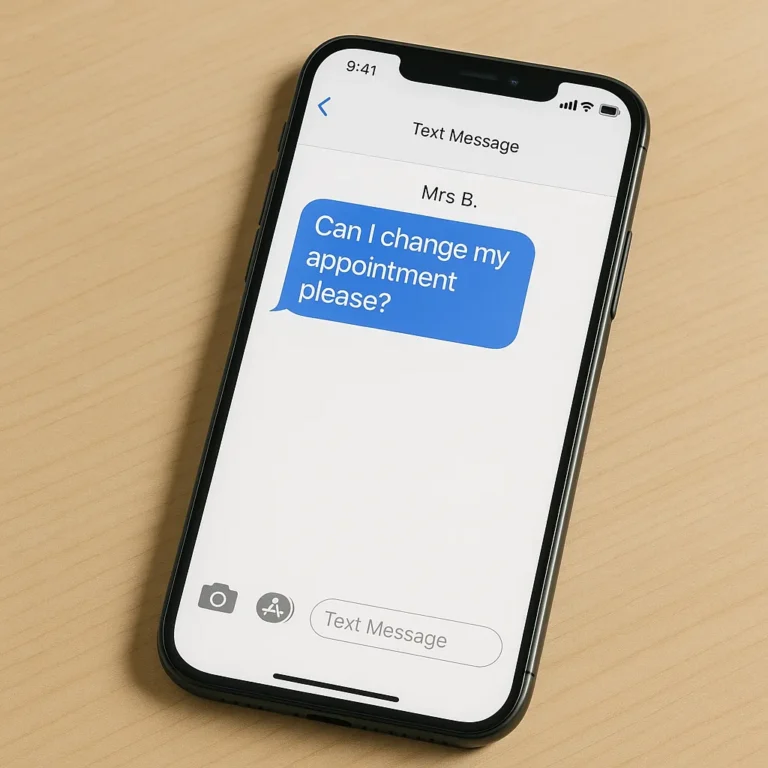
As soon as a client rebooks or changes an appointment, write it in. If you wait, odds are you’ll forget. This single habit will save you days of stress per year.
Build Buffer Time Between Sessions
Allow 10 to 15 minutes between sessions, especially if you know your clients tend to run over or chat. This buffer is your best friend when it comes to:
Try Colour Coding

Review Your Diary Twice a Day
This habit catches mistakes before they become crises. Even on chaotic days, a two-minute check will keep surprises to a minimum.
Daily Checklist for Scheduling Success
Stick to whatever system feels “easy” for you.

Handling Scheduling Challenges When Things Go Sideways
Even when you’re careful, life (and clients) happen. Sometimes people cancel at the last minute, or they show up when they’re not expected. Maybe it was their error, maybe it was yours. With a good system you’ll have no doubt that it was theirs. Either way, life happens – don’t beat yourself up.
When your schedule gets messy:
I remember a morning when a client showed up unexpectedly. Even though I knew they weren’t booked I checked their records and could see when their reminder had been sent, clearly stating the appointment time.
Knowing that the mistake was theirs actually gave me more grace and patience to simply set it aside and focus on the problem. They were in pain, they needed help and on this occasion I could fit them in by moving my admin slot to their previously registered appointment time.
Small Scheduling Tweaks That Make a Big Difference
You don’t need to overhaul your whole system overnight. Just pick one tweak to try this week:
You don’t have to be perfect. Just aim for a little better than last week. Consistency matters more than inventing the “perfect” system. With every tweak, your days get a bit lighter and your practice gets easier to manage.
A good schedule lets you show up, calm and present, for your clients – and it means you’re not last on your own list.
If you’re ready to go deeper on effective scheduling for solo practitioners, there’s plenty more help on the way. Watch out for a more detailed blog post on practical scheduling tips and common traps, which will include extra ideas to create a rhythm that supports you (and not another source of stress).
One last reminder: Schedule yourself in first. You’re your own most important client.
Stay tuned, stay kind to yourself, and remember – it’s not selfish to protect your energy, it’s smart. Your clients, your practice and your own health will thank you.
Please Share
Have you got a question that I haven’t answered here? Drop it in the comments. This space is for sharing, not just reading. Sometimes the best advice comes from those who’ve been in the same shoes.
Let’s build a supportive community where no one has to figure it all out alone. And if this helped you today, consider passing it on to a colleague who might need it – a little support goes a long way.
Please pin one of these images to your main business tips board!