What I Wish I Knew Before Starting My Health Practice
Starting your own acupuncture clinic (or any solo health practice) feels exciting right up until you realize just how many hats you need to wear every single day. The job is deeply rewarding, but the behind-the-scenes work? Often feels a bit much. If you’ve ever wished someone handed you a “What I Wish I Knew Before Starting” cheat sheet, you’re in the right place.
This post is full of honest lessons discovered in the early days of running a solo practice – ideal for anyone hoping to skip a few headaches (and late-night paperwork sessions). Let’s make your workday easier, your finances clearer and your mind a bit less frazzled.
Smart Financial Management: More Than Just Counting Pennies
Bookkeeping Basics: A Spreadsheet Won’t Make You An Accountant – But It Helps!
You don’t need to be a spreadsheet wizard, but you do need to track your finances and track them often. It’s easy to think “I’ll sort out my receipts later,” but that “later” can sneak up and become an accountancy nightmare.
Keeping up with your clinic’s finances doesn’t have to get fancy. Here’s what actually works:
Don’t stress if your spreadsheet or system isn’t pretty. Just keep it updated consistently.
I knew I needed to do this and at first I put it off. I definitely regretted that when October rolled around and I needed to meet my accountants deadline. Lucky for me, my husband helped me sit down and pull all the records together (though we may have missed a receipt here or there, that I might have been able to claim, if I’d been prepared).

Should You Hire an Accountant?
Ask yourself: Is sorting out taxes and tracking deductions fun for you? If “yes,” you might not need outside help. For everyone else, an accountant can be well worth it.
An accountant can be helpful in spotting deductibles that you might miss (“I can claim for laundry?”) as well as keeping you on track to meet the tax deadlines.
You don’t have to use one forever. Some people hire an accountant just for the first year (or the first big tax return), then feel confident enough to handle things after that. If money is tight, weigh the cost against the peace of mind it brings.
Budgeting Beyond Couch Roll and Needles
Your shopping list as a practitioner grows quickly. Your core supplies might be needles, couch roll and massage oil, but the necessary expenses go well beyond that.
Remember to track:
It’s easy to forget about these a month after you’ve opened your doors, so build a buffer into your budget. Seeing your regular outgoings at a glance helps you tweak pricing and adjust when needed.
This one I did do. I’d included a simple spreadsheet in my business plan to show when I expected annual bills (insurance) to drop and how much I expected regular costs (needle restocks) to be.

Wearing Extra Hats: How to Balance Clinical Work and Everything Else
You’re Not Just the Practitioner—You’re Everything
Running a solo practice throws you straight into multitasking. You’re not just treating clients; you are the receptionist, cleaner, appointment booker and IT support. You’re also the marketing department.
Every extra duty takes a little bite from your treatment hours. Some days it feels like you barely set down your mop before your next appointment walks in.
Set boundaries early: Pick set working hours. It’s tempting to squeeze in “just one more” appointment, but this habit chips into cleaning time, paperwork and over time, your peace of mind.
Little Systems for Big Sanity: Streamlining Admin and Client Follow-up
It’s not a badge of honor to do everything manually (and yes, writing every appointment in a paper diary counts as manual). Cost doesn’t have to be a barrier either, there are free options for most applications (not just spreadsheets) via the internet.
A few ways to make admin a breeze:
You don’t have to automate everything at once. Tackle one process at a time. The goal is fewer headaches, not a tech revolution.
Client Care: It’s Not Just About the Session
Clients often need just as much support outside the treatment room as inside. They’ll ring to ask about what they can or can’t do post-session, or for advice that should really be covered ahead of time.
Pre-empt questions by giving handouts or email summaries of aftercare. Make repeat booking easy, not awkward, by mentioning the importance of a series of treatments right up front. Always have essentials stocked. Nothing feels worse than running out of the tools you need when a client is on the table.
Setting up your own standard operating procedures (simple ones!) both keeps your head clear and clients happy.
Marketing and Building Connections Without Feeling Pushy
Talking About Yourself Without Feeling Weird
Marketing your own clinic feels a bit like selling your homemade cookies door to door. Most practitioners don’t love self-promotion, but growing comfortable with it helps your practice stay open.
A little role-play (practice on friends or houseplants) goes a long way. Pretend you’re explaining your work to someone new: highlight the benefits, not just the process. Let yourself get used to repeating your value No, it’s not bragging, it’s looking after your clients – you don’t want them to get taken in by some charlatan instead do you?
Natural Ways to Encourage Repeat Business:
Setting Clear Expectations Makes Life Smoother
Help clients understand that a single treatment rarely does the trick. Let them know up front about expected session numbers, timelines and what to expect.
When expectations are clear, you spend less time coaxing people back and more time actually helping them.
Start Small on Social Media
You don’t need to show up everywhere. Pick one or two platforms you know your clients actually use. Keep posts simple and don’t fuss about fancy graphics right away. Reliable, clear updates mean more than slick design.
Don’t feel guilty if you’re not an Instagram pro – clients care more about your clinical expertise than your hashtag skills.
Local Partnerships: Swap Skills, Share Clients
Joining forces with another practitioner in your area lightens the load. If someone’s away or booked up, you can cover for each other.
Find someone who’ll complement (not compete with) your skills. For instance, I specialized in pain management and I teamed up with someone who focused on fertility. I didn’t want to work in fertility but I knew enough to provide holiday cover. Both sets of clients win, and so do you.

The Emotional Weight of Solo Practice (And How to Lighten It)
It’s Not Just You—This Feels Hard for Everyone at First
Working solo means carrying all the responsibility. Unlike studying with classmates or working in a larger clinic, you miss the easy chat or quick reassurance after a tough day. That can feel isolating.
Find Your Support Crew
You don’t have to do this in a vacuum. Join a professional group, look for a mentoring circle, or set up a regular chat with other practitioners – even if it’s just over coffee or in a WhatsApp group.
If coaching feels too expensive to invest in at first, look for informal groups or online forums. A little feedback – and knowing you’re not alone – keeps burnout at bay.
When I finished my clinical training our cohort (class) were advised to sign up for acupuncture “supervision” (really coaching and mentorship). I didn’t want to spend on this but after a month or two on my own, I started to see the benefit and joined a (cheaper) group supervision monthly meeting with two of my previous classmates.
Self-Care Isn’t Optional: Protect Your Time (and Sanity)
Tiredness sneaks up even when you don’t have a full calendar. All the extra admin, late nights, and worry can pile up.
Treatment swaps with another practitioner can help you stay healthy yourself, too!
If you need a reminder, block off a day in your diary right now for “Not Practicing.” Seriously. Your future self will thank you.
Let Friends and Family In
Don’t shoulder all the stress yourself. Share your progress, challenges, or just vent over takeout. Having someone cheer you on really helps.
Honesty and Trust: The Unsung Heroes of Client Care
Owning What You Don’t Know (And Still Building Client Confidence)
If a client brings a condition you haven’t treated before, don’t bluff your way through.
If you’ve been made aware of the condition before they arrive, then a quick google can give you enough background to ask the right questions.
Your client often knows a lot about their condition. Start by asking them – they are the expert in their own lived experience. Listening alone makes a big difference – many clients are used to feeling rushed or brushed off elsewhere.
Pair openness with reassurance: explain what you do know, and promise to follow up. Say you’re researching and ensure you’re prepared next time. If you look online, stick to reputable sources and compare what you find with your clinical training.
When You Mess Up: Apologize and Move On
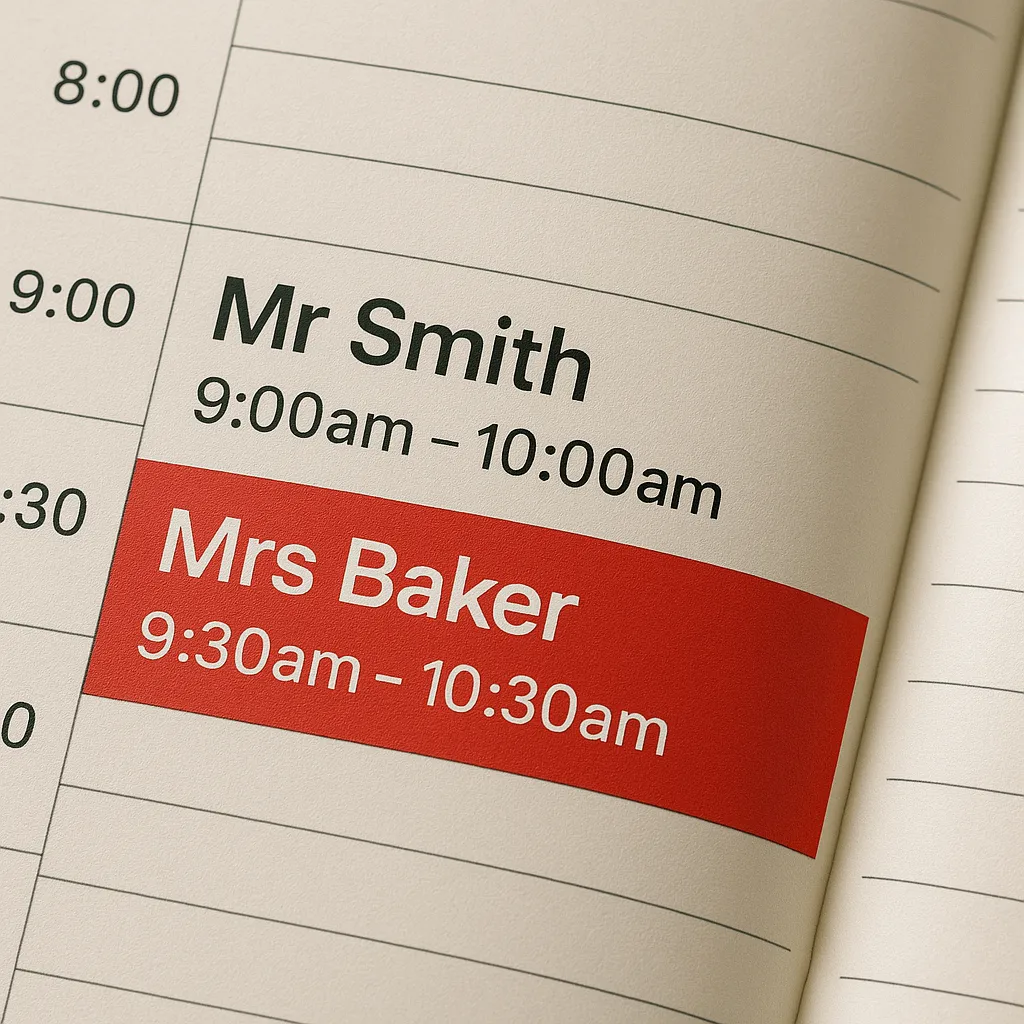
Mistakes happen: double bookings, wrong appointment times, or a missed note. When it does, just tell your client, say sorry, and fix it. They’ll appreciate the honesty much more than a cover-up.
Putting good systems in place will reduce errors, but nothing is foolproof. A calm response goes a long way.
Holistic Care: Treating the Whole Person
Unlike many standard medical appointments, you can offer space for clients to raise several issues at once. If a client says their back hurts and they also can’t sleep, look for connections. Listening fully is one of your biggest skills.
By handling clients this way, you create a safer, more effective space – something most people don’t get in rushed appointments elsewhere.
No matter how prepared you feel, there will be things you miss. That’s normal. Making mistakes is part of becoming effective, not a mark against you.
You’ll run into new questions at every stage. Treat them as part of your learning curve, not a setback.
Please Share
Have you got a question that I haven’t answered here? Drop it in the comments. This space is for sharing, not just reading. Sometimes the best advice comes from those who’ve been in the same shoes.
Let’s build a supportive community where no one has to figure it all out alone. And if this helped you today, consider passing it on to a colleague who might need it – a little support goes a long way.
And if you haven’t had a tea break yet today, consider this your gentle reminder. You’ve earned it. 😊
Please pin one of these images to your main business tips board!