The Best Business Structure for Your Solo Health Practice: A Simple Guide for Practitioners
Finding the best business structure for a solo health practitioner is a decision that can feel overwhelming, but it shapes everything, from how much tax you pay, to how safe your personal savings are if something goes wrong at work.
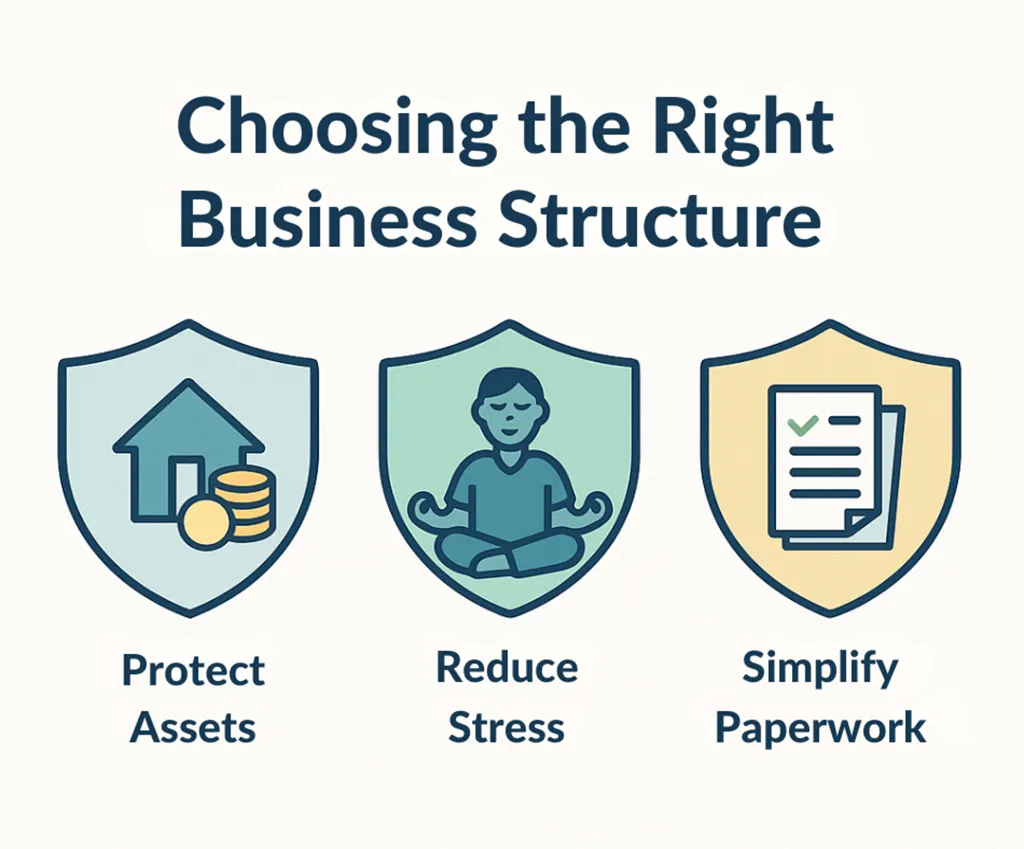
With the right business structure, you’ll sleep better at night (no midnight panic over tax letters), protect your personal money, reduce stress, and keep paperwork low enough so you can focus on treating clients, not shuffling forms.
Why Picking the Right Business Structure Matters
Choosing the best business structure isn’t just a legal hoop to jump through; it touches nearly every part of your business life. Pick well, and you:
Your business structure defines who’s responsible if something goes wrong, who pays what tax, and just how many sleepless nights (if any) you’ll spend worrying about scary letters in the post. It’s not just about formalities.
The right structure also makes tax season a bit less frightening. It’s not just about your own peace of mind either. If you’ve got a family counting on you, or even just your own sense of security, making this choice with care, will pay off later.
UK and US Business Structures for Solo Health Practitioners
While the names and details differ a bit between the UK and the US, the most common options look pretty similar. The heart of the matter: how simple do you want it, how exposed do you want your personal finances?

Sole Trader (UK) / Sole Proprietor (US)
What It Is:
You are the business. There’s no legal separation between you and what you do in your practice.
Pros:
Cons:
Tax:
You’re taxed as an individual – simple, but not always the best deal if your earnings grow.

Limited Company (UK) / Limited Liability Company (LLC) (US)
What It Is:
The business is a separate thing from you. You have “limited liability,” which means your personal assets are usually safe if the business faces trouble.
Pros:
Cons:
Tax:
Profit is taxed in the business first, then you pay yourself (income, dividends). Often helpful as profits rise.
You’ll need to follow your country’s rules (and in the US, your particular state’s rules), so costs and details may shift depending on where you register.

Partnership (UK & US) and Variations
What It Is:
Two or more people sharing a practice. In the UK, also available as a Limited Liability Partnership. In the US, you can have a partnership or a multi-member LLC.
Here at the Accidental Healthcare Business Owner I focus on solo practice owners but you may want to investigate the benefits of formal collaboration, if for example, you’d miss that feeling of teamwork.
Pros:
Cons:
Tax:
Depends on the type; partnerships normally split profit and tax responsibility.
Quick Comparison Table
|
Structure |
Setup Cost |
Admin |
Personal Asset Risk |
Tax Flexibility |
Growth Potential |
|---|---|---|---|---|---|
|
Sole Trader/Sole Prop. |
Low |
Low |
High |
Low |
Tricky if you want to grow |
|
Limited Co./LLC |
Med-High |
Med-High |
Low |
Higher (with advice) |
Easier to grow or sell |
|
Partnership |
Low-Med |
Med |
High (unless LLP) |
Medium |
Flexible if partners agree |
If you’re interested in all the variations, this UK government summary lays out the main types, along with links to potential alternatives.
If you’re in the US then this IRS summary should help you get started.
For those in other countries, I recommend that you google [your country] + business + structure.
Practical Tips for Choosing the Best Structure
You don’t have to get it perfect from day one. The right business structure for your solo health practice is about balance – what lets you sleep at night and spend your time with clients, not worrying about admin nightmares.
Thinking About Your Earnings
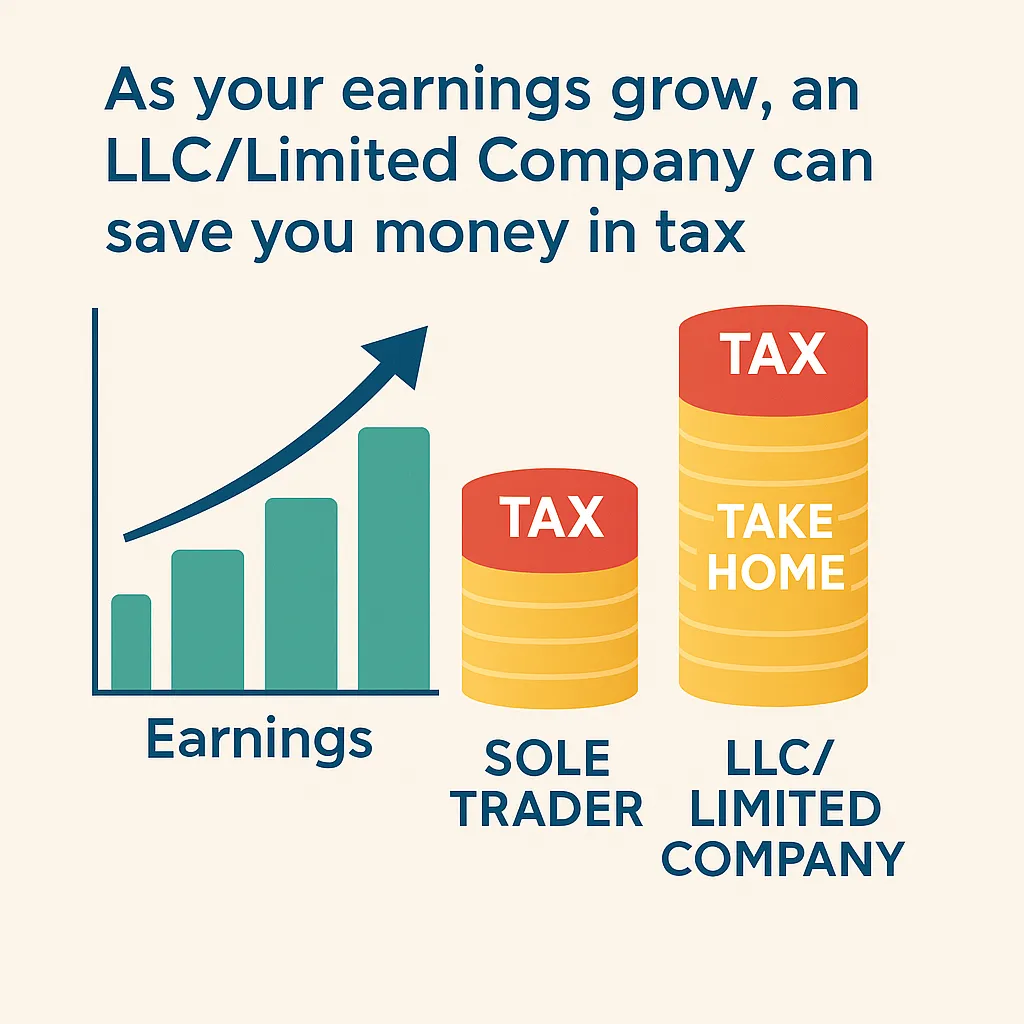
If you expect your earnings to grow, a limited company or LLC can sometimes save you money in tax. The details depend on where you live and your total income, so this is the moment to consult someone who really knows small practitioner businesses. Tax rules are tricky and change often – better safe than sorry.
Professional Body and Insurance Requirements
Some health professional bodies or insurers have rules about what sort of business you can run. Don’t get caught out – double-check if your setup needs to match any specific requirements.
Here are some key points to help you decide:
Don’t feel boxed in. As your earnings or work-life goals change, you can switch to a different business structure.
If tax forms make you queasy (no shame there), find a good accountant. A professional used to the health industry will give more useful advice than a generalist.
To help, here’s a quick checklist for your next chat with an advisor:
Solo Health Practice Business Structure Checklist
You’re never stuck with just one choice. Switch if your needs or business change.
It’s perfectly fine to reach out for advice – it helps you stay focused on what matters most: your clients. If you’re stuck, just pause and ask for help. Drop a question for a trusted accountant, advisor, or even in the comments here.
Remember: help is available and peace of mind is worth the effort you put in now.
When I started my own clinic I opted to be a sole trader. I already knew that I planned to work part time clinic hours for flexibility and so income growth beyond a certain point was unlikely to make tax savings a high priority.
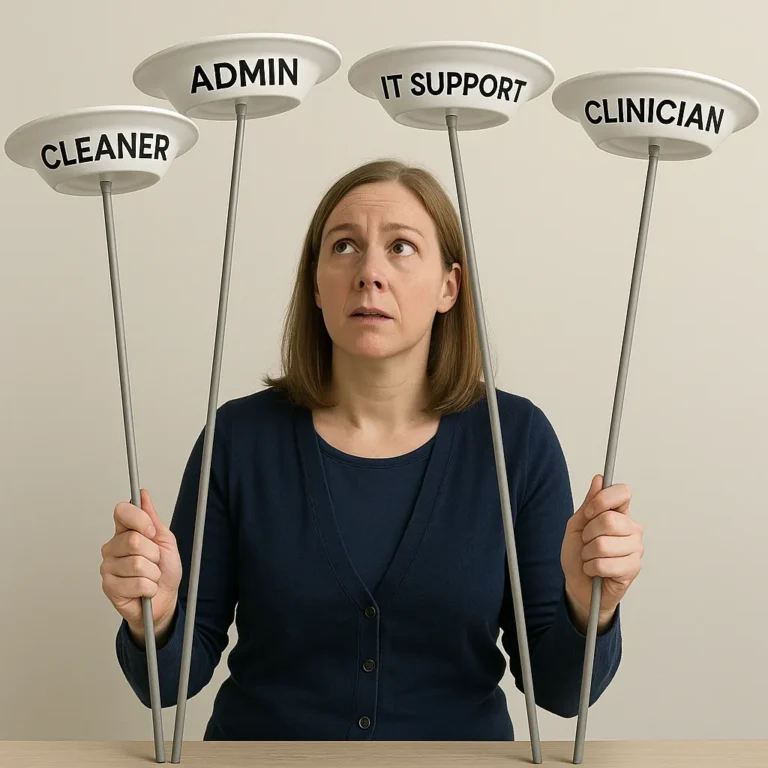
I’m a bit of a control freak and so working in partnership or hiring on didn’t appeal – I wanted my clinic to myself. The risk and the admin didn’t worry me as I have a background in risk management and audit and so I was confident that I could develop my own processes to manage these.
That’s not the right answer for everyone though. My circumstances aren’t the same as yours. Focus on your comfort, your family’s needs, and how much admin you can stand.
Please Share
Have you got a question that I haven’t answered here? Drop it in the comments. This space is for sharing, not just reading. Sometimes the best advice comes from those who’ve been in the same shoes.
Let’s build a supportive community where no one has to figure it all out alone. And if this helped you today, consider passing it on to a colleague who might need it – a little support goes a long way.
Please pin one of these images to your main business tips board!