What I Did When No One Was Booking With Me
Feeling invisible is rough. Your phone is quiet, bills keep coming, and you start wondering if you made a mistake. If you’re a new solo practitioner, especially in a home-based clinic, you’re not alone. I’ve been there. The good news, you can turn it around with simple, low-cost steps that build trust and start a steady ripple of referrals.
Here’s how to get started when it feels like nothing’s moving. You’ll hear what actually worked in practice, not just in theory. Before we dive in, keep this front and center: empty schedules drain both our cash and our confidence. Your goal is to create quick trust, not pushy marketing. Do that, and bookings follow.
My Story: Starting Out Feeling Invisible
I remember the first weeks after graduating. No bookings, a quiet phone, and a very active sense of panic. We had just moved from Sheffield to Scarborough, two hours away. I didn’t know anyone. I set up a home-based acupuncture clinic and hoped the phone would ring. It didn’t. Not at first.
If you’re a new solo practitioner, you might be facing the same things:
New patients rarely come from clever words alone. They come from trust. The bright spot – you can build trust with low-cost moves that feel human and kind.
Below are the first three things I did to get momentum. You can adapt them to your style and your location. If these three don’t fit for you, or you need more ideas, then check out these alternatives for attracting new clients to your clinic.

Strategy 1: Host a Simple Neighborhood Party to Build Local Support
A small, friendly gathering can calm worries and turn neighbors into allies. When you’re home-based, this helps more than you might think.
Why This Works for New Practitioners
People are more likely to book with someone they feel they know. A short, informal event helps you explain how your clinic works, handle concerns like parking, and show you’re considerate. It’s low-cost and low-pressure. Wine and nibbles work. Coffee and cake work just as well. Pick what suits you and your space.
It’s especially handy if you practice from home, since neighbors often worry about traffic or noise (even if your work is quiet, like acupuncture or massage).
How I Planned and Ran My Party
I invited local neighbors, especially those close by enough to notice any activity outside, and set the tone as a friendly meet-and-greet. I explained that my clinic was part-time, with only one early evening each week. I shared that clients could park on the driveway, and if they ever chose to park on the street, I would make sure they respected others’ driveways.
I also asked neighbors to tell me if any problem cropped up, so I could fix it quickly with my client. That reassurance mattered.
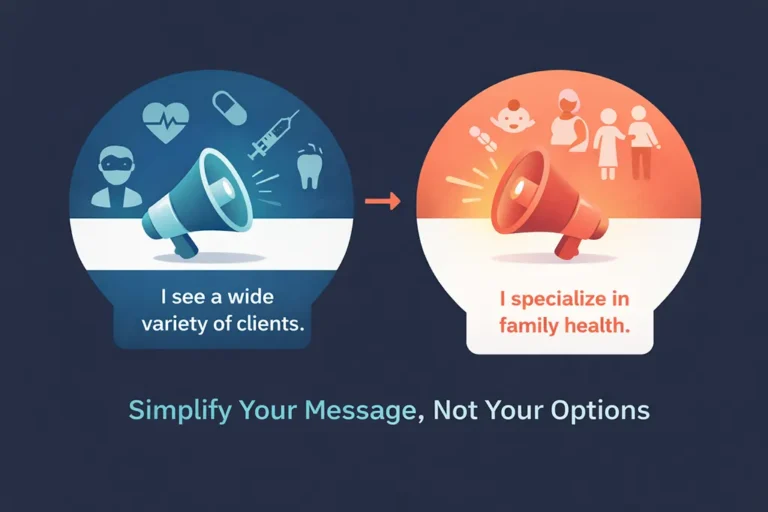
I gave a quick, plain-English overview of who I helped. In my case, that meant people with pain conditions, often older adults. Keep it short. Avoid jargon. People appreciate clarity.
Free Incentives and Real Results
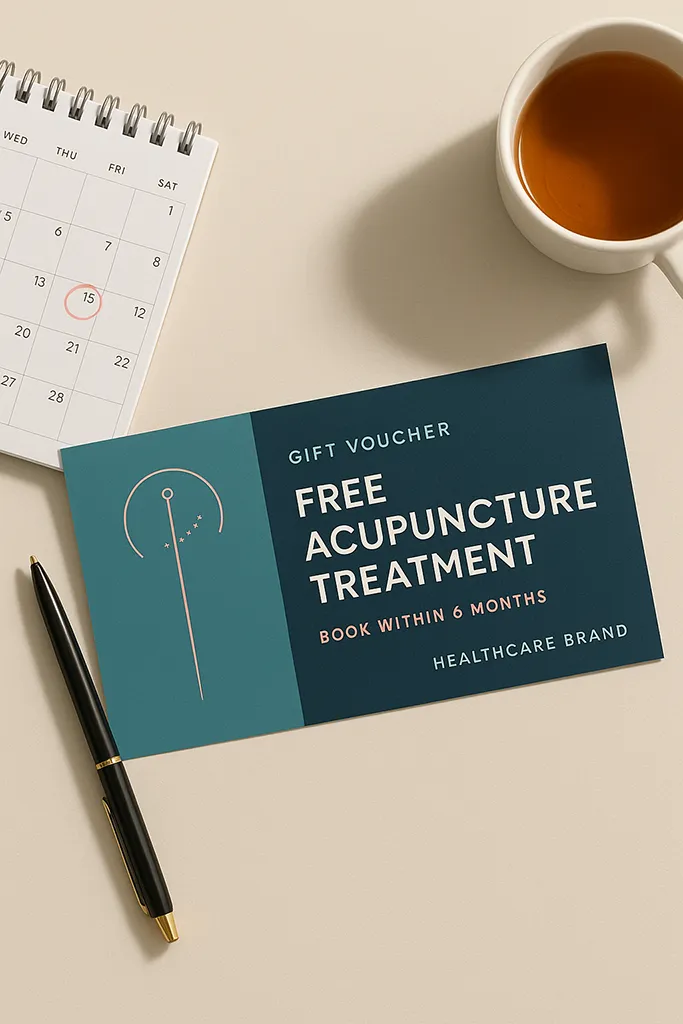
I handed out a free voucher for a short treatment, acupressure or acupuncture, bookable within six months. It had a clear end date, so I didn’t worry about someone turning up two years later with a wrinkled coupon.
What happened next surprised me:
That’s the power of warm, local goodwill. People like to help a neighbor who’s helpful and approachable.
Adapting This for Your Situation
This works in both residential areas and commercial ones. If you’re in a business location, think about your neighboring shops or offices. Who are they? Could their staff or clients benefit from your work? Let them know what you offer and invite them to drop by. If it feels right, suggest a simple partnership or cross-referral.
Already open? Tie your event to something timely. An anniversary of opening works. Health awareness days work too. Stress awareness is a strong theme, and there’s at least one relevant day or month almost every month. Host your neighbor event first, then run a public session later. You can even coordinate with nearby businesses for a shared theme and bigger reach.
Tip, plan ahead with neighbors if you want to run something together. It creates buzz and shows community spirit.

Strategy 2: Give Talks at Community Groups with Demos and Q&A
You don’t need to be a polished speaker to make this work. Warmth, simple language, and a short demo go a long way.
Getting Started: Finding and Joining Groups
Start with groups that meet near you. Community halls, libraries, women’s groups, parents’ groups, sports clubs, and faith groups often book speakers. Ask to be added to their schedule and check your time slot and expected length there and then. Many groups book months ahead, so be ready for a wait. That said, cancellations happen.
Offer to be on standby for short notice. I did this and got a call two months later to fill an unexpected gap, while keeping my original longer-term slot. Saying yes to that last-minute spot helped me get seen sooner.
Making Your Talk Engaging and Supportive
Bring a supportive friend or family member if you can. For that short-notice event I took my husband along with me. He’s chatty, happy to talk about his results with acupuncture, and made a great demo subject. The group loved it. It also made me feel more at ease.
Benefits of bringing a cheerleader:
Some groups also offer a small speaker’s fee. It’s not guaranteed, but it’s a pleasant surprise when it happens.
Practical Tips for Your Presentation
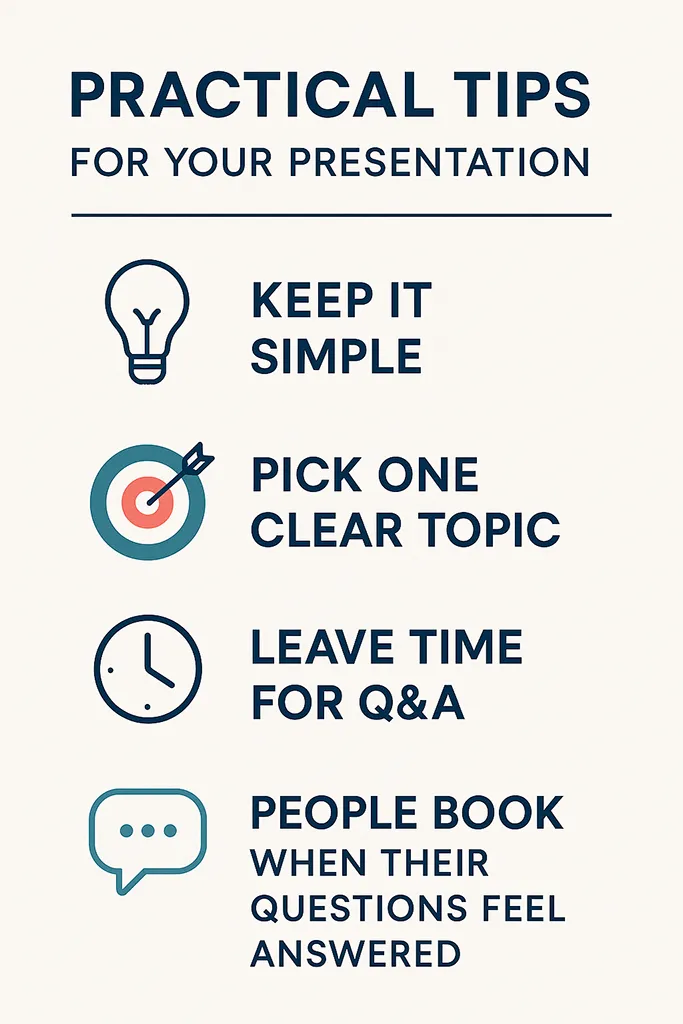
Keep it simple and focused. Pick one clear topic that fits the group. Time your talk to leave space for Q&A. People book when their questions feel answered.
A few practical ideas:
If you’re new and not sure what people will ask, search on the internet for common questions about your therapy. Note the top three to five and have your plain-language answers ready. If the room is quiet, you can say, “People often ask me these three things,” then answer them briefly. It helps break the ice and builds trust fast.
Strategy 3: Run Open Days at Your Clinic for Easy Visibility
Open days invite people in without pressure. They can see your space, ask questions, and get comfortable enough to book.
Promoting Your Event for Free
Look for local “what’s on” listings. Radio stations, community calendars, and neighborhood Facebook groups often share events for free. I used a local radio station’s listings and submitted a short blurb in their format. Keep your event simple. A half-day or a morning is enough. Saturday mornings or weekday evenings tend to work well for attendance.

What to Do During the Open Day
Expect a mix of curious locals and people who are scouting on behalf of a friend or family member. Many won’t book on the spot, but they will pass on your details.
Make it easy to share your info by offering spare cards or one-page handouts people can take for someone else. Include your booking link and a short summary of who you help.
Keep your energy in mind. Track how many events you commit to so you don’t overdo it – this is part of your everyday scheduling. You want to stay calm, upbeat, and present. Pushing too hard can flatten you, which helps no one.
When to Choose This Over Other Strategies
If group talks make you feel shaky, try open days or the neighbor gathering first. Double down on what feels light and effective. Drop what drains you. Leave white space in your diary, especially in the early weeks, so you can recover and keep going.
Quick reference: Three Low-Cost Trust Builders
Use this summary to pick your next step.
Each one builds trust. You only need one to start. If you’re feeling wobbly because there’s no one booking solo health practice appointments yet, this is your path back to momentum.
What To Prepare for Each Strategy
You don’t need much. A few small details make a big difference.
Realistic Expectations and Gentle Guardrails
You don’t need to run everything at once. Pick one, then add another once you’ve found your rhythm.

Final Push: Pick One Action and Watch the Ripple Effect
Choose one strategy today. Put a date in your diary and take the first step. It might be drafting a short invite, emailing a community organizer, or submitting a listing. Keep it small and doable. Then do it.
Remember this key insight: it gets easier. Referrals create a ripple. People you meet may not become patients, but their friends or family often will. There’s a steady demand for help with pain and stress. Your job is to be findable, kind, and clear.
Take five minutes for your own self-care today. A cup of tea, a short walk, a stretch. You’ll think better and feel braver. Then get that first date on the calendar and start inviting people in. You’ve got this.
Please Share
Have you got a question that I haven’t answered here? Drop it in the comments. This space is for sharing, not just reading. Sometimes the best advice comes from those who’ve been in the same shoes.
Let’s build a supportive community where no one has to figure it all out alone. And if this helped you today, consider passing it on to a colleague who might need it – a little support goes a long way.
Please pin one of these images to your main business tips board!