From Overwhelmed to Booked Out: The Power of a Simple Business Plan for Your Health Practice
If you’ve ever Googled “how to succeed in private practice,” here’s the truth: simple business plan success is not about a document that’s many pages thick or MBA speak. It’s about clarity.
As both an acupuncturist and a business grad, I’ve lived in both worlds. I’ve seen how having a straightforward plan – one that aligns with your strengths and client needs – can turn chaos into calm and help you attract the right people consistently.
This post will walk you through the essentials of what works, so you can build a health practice that’s not only profitable, but sustainable.
Understanding the Value of a Simple Business Plan
So, you’ve poured years into clinical training, only to realize the “business side” can be a whole different beast. Maybe you’ve pictured a business plan as something only large clinics or ultra-corporate types bother with. Here’s a little secret: it doesn’t have to be complicated. For solo practitioners especially, the fancy 30-page document isn’t what helps you see results.
Think of a business plan as your clinic’s personal satnav. It shows you where you are, where you want to go and how you’ll know when you’ve arrived. Nothing more, nothing less. Yes, you’re wearing all the hats – clinician, bookkeeper, admin, cleaner – but a plan lets you lay those hats out neatly instead of juggling them mid-appointment.
Why Keep It Simple?
Start simple and build up. Skipping this step is one of the mistakes to be avoided when setting up your practice.
Your first business plan is not your final one. It can be scribbled notes, a spreadsheet, or a single sheet with your top goals. Forget the pressure for perfection.
Clarity is what brings results, not complexity. A straightforward plan helps you avoid getting lost in unnecessary tasks and lets you put your energy where it counts: serving clients and growing your practice, step by step.
Don’t worry if you’re not a “business person.” If you can ask great questions and respond to client needs, you can shape a workable business plan for your practice.
Having a plan on paper, even in rough form, is genuinely reassuring. It’s your proof that you do know what you’re doing (even if you sometimes doubt it on tough days).
Breaking Down the Business Plan: The Four Essentials
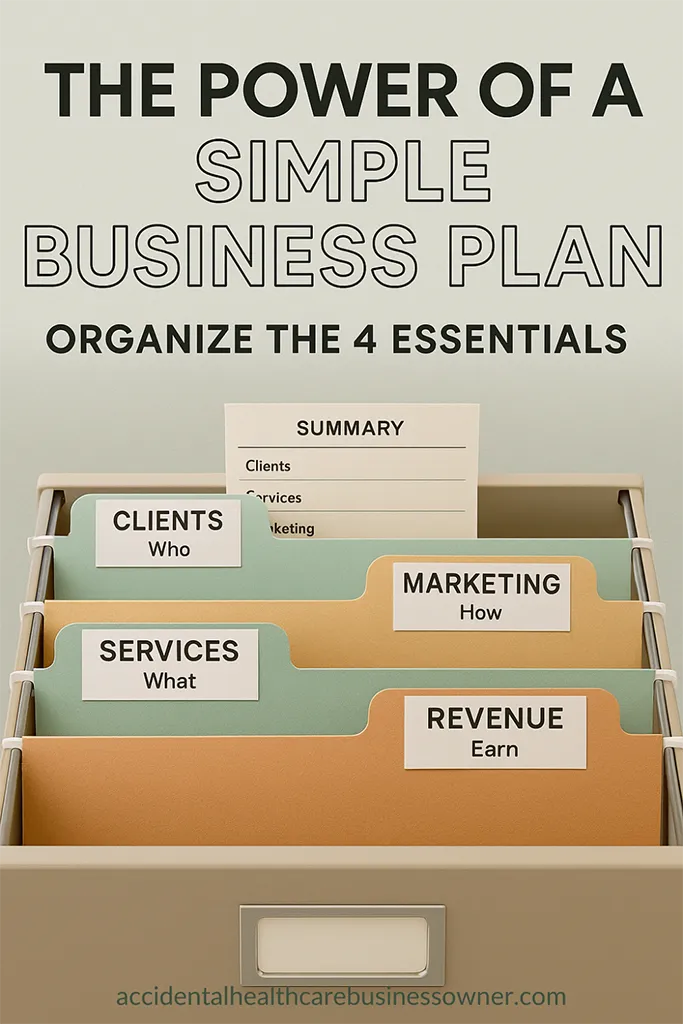
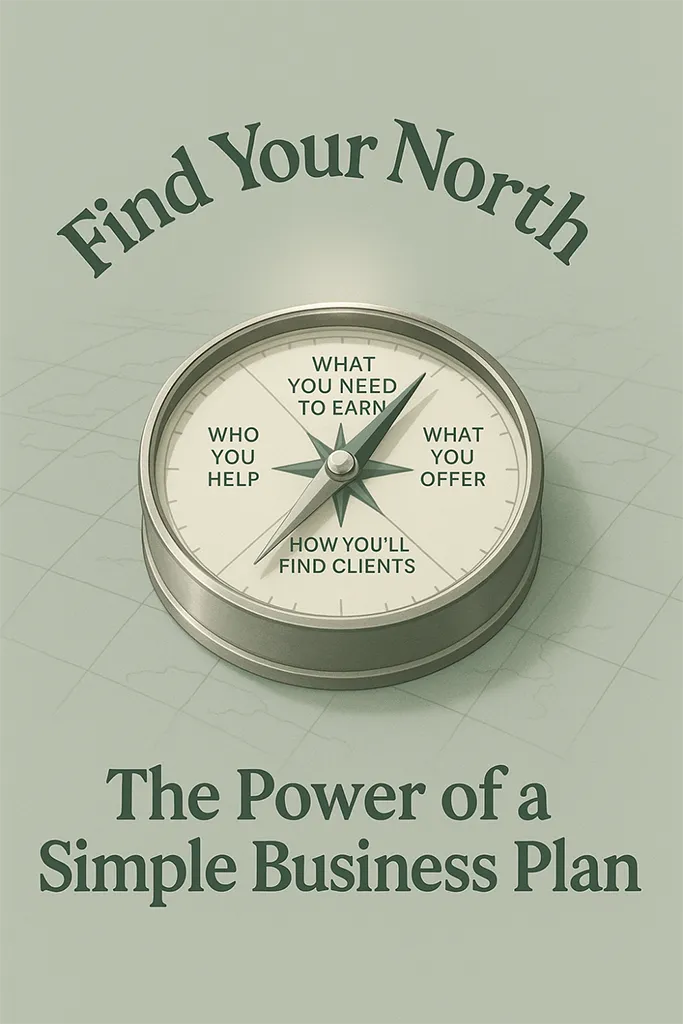
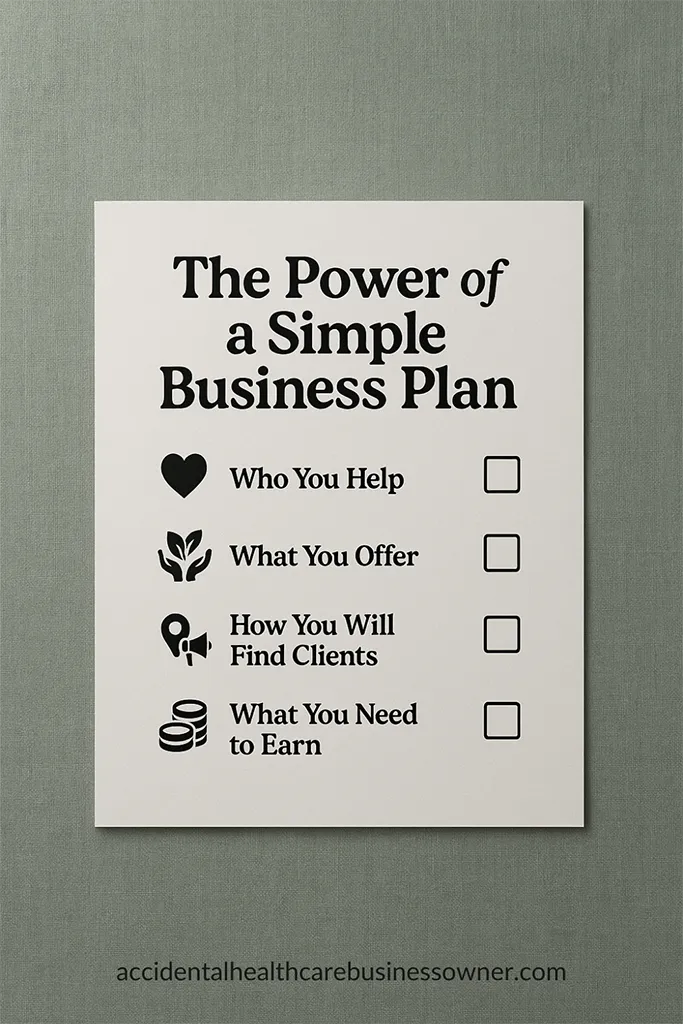
Forget about long documents or formal templates. For your health practice, think in terms of four easy pillars:

Essential 1. Who You Help
Trying to serve everyone will leave you spinning. Focus is your friend! When defining your perfect client, get specific:
For example, I chose to help women ages 55–75 with pain relief. They were retired from professional life, still caring for parents and more flexible with their hours.
Did I only help these people? No, certainly not. I also had male clients, women in their 30’s, clients looking for help with anxiety. But I focussed on my “ideal client” whenever developing marketing products, drafting emails, or tweaking processes.
Step 1: Clarify Your Ideal Client
Don’t fall into the “I help everyone” trap. Jot down:
Maybe you aim to support young professionals with stress or busy parents seeking better mobility. Narrowing down means your marketing makes sense…and your day-to-day fills with clients who energize you.
If you’re stuck, describe your favorite current client.

Essential 2. What You Offer
This isn’t just a menu of services, but a reflection of what your ideal clients truly need. If you’re an acupuncturist but some clients are uneasy with needles, maybe you offer acupressure, ear seeds or a cupping massage. Make a short list:
Tailor your offer for real-life people, not just what you think “should” be on the list.
Step 2: List Your Core Services
Keep your offerings simple to start. Your list might have:
Less is often more. Clear, focused services draw in the right folks.
If you struggle with this step then take a look at those who offer a similar service. How are their price lists arranged? Prices usually give an indication of how the services are broken down.
Take care not to copy but think how you can apply their concept to your own business. Do they offer products as well as services? Is there a parallel for your own practice.
I chose to incorporate the cost of ear seeds within the appointment price, but I could have charged separately for them, especially if I’d included access to a video on how to use them.
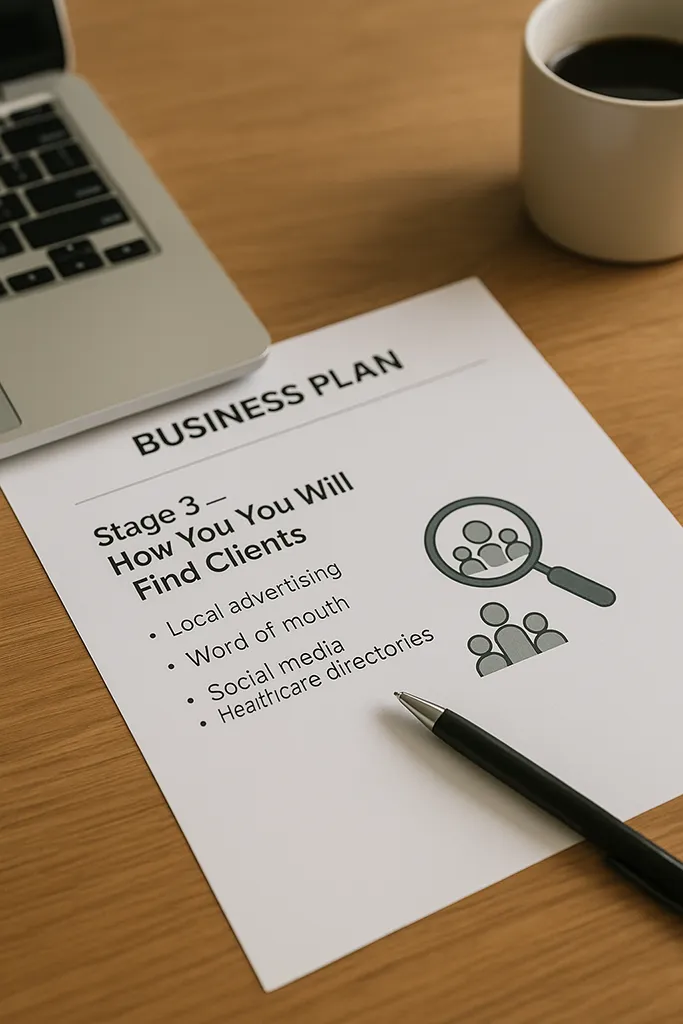
Essential 3. How You Will Find Clients
You don’t need to do everything. Pick one or two methods that fit your style and audience. Here are a few no-fuss ideas:
Don’t feel pressure to hop on TikTok unless you want to. Be where your people are and enjoy it.
I started out by holding an open morning at my clinic once a month and adding the dates to local events listings (free of charge). The bonus was that I could get on with some admin whenever there was a lull in visitors, so my time wasn’t lost.
Step 3: Pick Two Easy Ways to Connect with Clients
If you’re new to this and a little bit nervous then start with which methods would you actually enjoy?
Consider collaborating with another allied (rather than directly competing) service in your area. You won’t be the only one worried about giving a presentation and splitting the work up makes it easier for you both.
Start very small with introvert friendly marketing options if needed. You could set up a facebook group and schedule posts for the next month.
Now, jot down your next action steps. What do you need to design (eg. leaflet), who do you need to contact (eg. local osteopath), what time do you need to book out to achieve this?

Essential 4. What You Need to Earn
It’s tempting to stay vague here, but knowing your weekly target reduces money worry. Ask yourself:
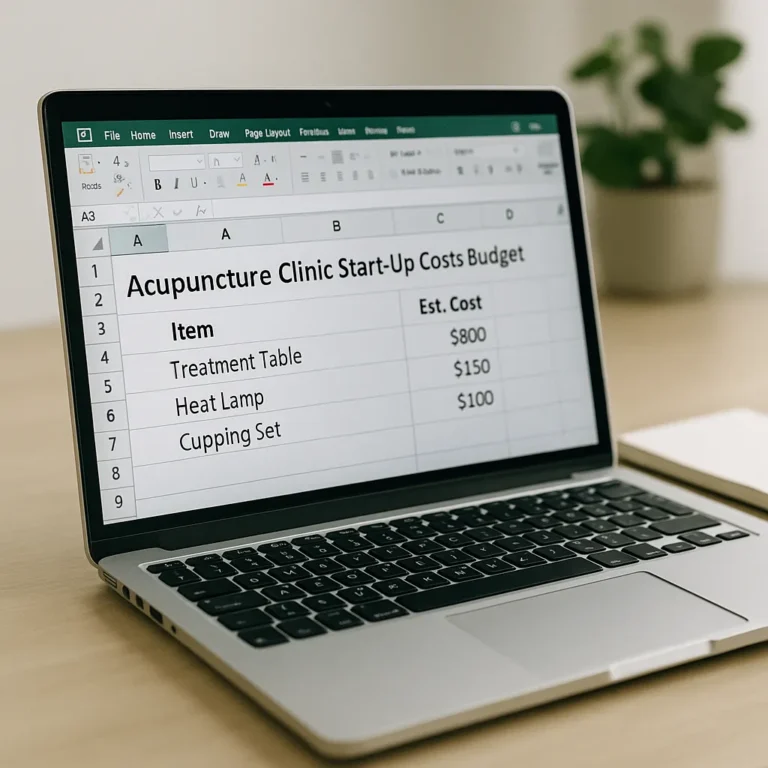
A simple, honest figure is your safety net. No spreadsheets required – but really – they do make life easier as you grow!
Step 4: Set Your Weekly Income Target
List out your regular bills, personal needs and what you’d like to save. Divide by four for a weekly minimum. Then, figure out how many bookings fill that goal.
Making the Business Plan Work for You
Simple and Sustainable
A plan should make your days lighter, not add pressure. If it feels too hard, trim it down. Stick with tasks that bring you closer to your bookings or income goals. If paperwork or certain chores drain you, consider getting help – a cleaner for clinic space or an online bookkeeper can be a real gift to yourself.
Block an Hour for Quiet Planning
Pick a time when you’re usually alert – many like Monday mornings, but any slot works. Grab a cuppa, settle in somewhere peaceful, and leave your phone in another room (unless it’s your timer).
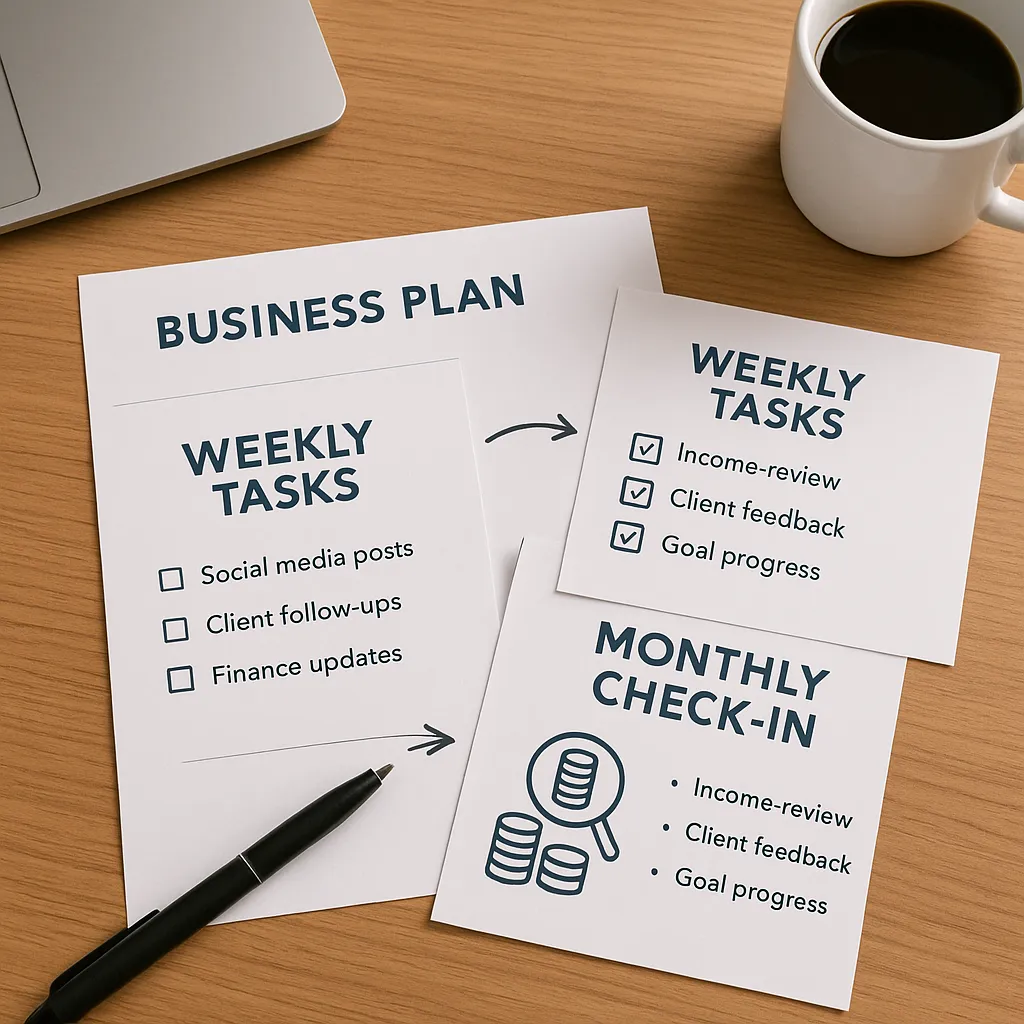
Sketch Your Weekly Tasks
Separate them into clinic tasks (eg. client sessions) and admin tasks (eg. email replies, cleaning, restocking).
Limit your to-do’s so you’re not drowning in busywork. What are your top 3 priorities? Work those first.
For a look at how solo practices operate on a day-to-day basis, see this overview of solo-practice model in healthcare.
Choose a Simple Tracking System
Ask yourself:
Try one method for a month and adjust as needed.
Making Space for Real Life and Self-Care
The right plan helps you fill your calendar just enough – leaving breathing room for lunches or a midday stroll. Plan both clinic time and admin time around your energy levels and build in small self-care breaks. Remember, nobody can pour from an empty cup (or work hungry).
Monthly Check-Ins
Your first attempt isn’t set in stone. Review your plan once a month. On the first of every month, sit down for a mini-review:
You’re building a simple business plan to aim for success for your health practice one tweak at a time.
Bookings vs. Balance: Find Your Sweet Spot
It’s easy to fall into the trap of saying yes to every appointment. Use your plan to protect blocks for paperwork and real breaks. This isn’t laziness, it’s sustainability (and helps you show up with full energy for clients).
If you’ve ever wondered, “Am I the only one who finds the business side tricky?” – you’re definitely not. Feeling unsure about planning or paperwork isn’t a sign that you can’t succeed; it’s just part of building something new.
Your plan doesn’t have to be public or fancy. It’s your quiet advantage. Let it support you, so you can focus on what brought you to healthcare in the first place: helping people, one session at a time. Take a deep breath, make a mug of tea and know you’re already on your way.
If you’re just getting started and want more background on the unique challenges and surprises of running a clinic, see lessons I wish I knew before starting.
Please Share
Have you got a question that I haven’t answered here? Drop it in the comments. This space is for sharing, not just reading. Sometimes the best advice comes from those who’ve been in the same shoes.
Let’s build a supportive community where no one has to figure it all out alone. And if this helped you today, consider passing it on to a colleague who might need it – a little support goes a long way.
Please pin one of these images to your main business tips board!