How to Keep Clients Coming Back: Practical Client Retention Strategies for Solo Health Practices
Building a steady flow of returning clients isn’t about fancy sales tricks or endless tech tools. If you’re working alone as a healthcare provider, you already know trust and consistency matter. So what really brings clients back again and again – without crossing ethical lines or burning yourself out?
This guide gives you real-life, simple client retention strategies for solo health practices, with examples you can use right away.
Why Client Retention Matters
It feels good when clients return, but steady appointments mean more than a pat on the back. When you help clients finish their treatment program and maybe stay on for maintenance care, you’re not just supporting their health – you’re building real stability in your practice.
The goal isn’t to keep people coming longer than they need. Instead, it’s making sure they get everything from their plan, have the option to maintain progress and avoid needing to start over. This is honest, sustainable healthcare.
Strong retention means you win in several ways:
You don’t need costly systems or complicated tools. Good habits and a kind attitude do much more than a slick budget ever could.
The Heart of Client Retention: Service and Genuine Connection
Client retention is about more than showing up and doing good clinical work. It’s about how you make people feel – safe, seen and valued. Are you building real connection, or just cycling patients through the door?
Some of the best “marketing” is invisible:
A few personal touches can make all the difference:
One client described my clinic as her “sanctuary.” She knew could say exactly what she felt, knowing nothing would be repeated. She didn’t feel that she had that anywhere else, not even with her closest friends, who had a small tendency to gossip among themselves.
You might think this is a small thing. It isn’t. These gestures make you stand out. Gimmicks fade, but kindness and consistency last.
10 Practical Client Retention Tips
Let’s get into the practical part. These tips are easy to start and don’t require special training or a marketing degree. They’re the business foundation that lets your solo practice grow without the stress.
1. Welcome Follow-ups
A simple check-in after a new client’s first appointment helps them feel cared for. You don’t need to write a novel. Even a basic text feels supportive and opens the door for conversation.
Templated messages save you time, but adding a personal comment is even better. If someone was a bit woozy after treatment, mention it – “Hope you’re feeling steadier today. Don’t forget your handout with the tips for aftercare.”
2. Appointment Reminders
Forgetfulness creates hassle (for both you and your client). Gentle reminders by text or email reduce no-shows and keep everyone on track. Offer flexible rebooking if possible, but set clear guidelines – like how much notice you need to rearrange an appointment.
Sample reminder format: “Looking forward to seeing you on Thursday at 10am! If you need to reschedule, please try to give at least 24 hours’ notice so I can offer the slot to someone else.”
3. Member Perks and Packages
You don’t need to run a big spa to add some simple perks. Small incentives show appreciation and encourage people to complete treatment plans or come for maintenance care. Here are a few easy-to-implement ideas:
A maintenance program can also make ongoing care more accessible for clients and help you keep your calendar filled.
4. Asking for Feedback
Your clients can spot areas for improvement – and they know when something feels off. A quick, anonymous survey (either in the clinic or by email) gives people a voice and helps you spot trends.
Let clients know when you act on feedback. Say you changed your playlist because a few people mentioned the music was a bit much during sessions – tell them. It’s proof you care about their comfort.
5. Clarity Around Scheduling
This is more than just reminders. Clients often appreciate predictability. Try to keep appointment times consistent.
Offer online booking if you can but keep old-school contact methods available for those who might not like using screens.
6. Personal Touches
Mention birthdays when they come up. If your booking software collects birthdays, this takes very little effort and feels surprisingly personal. Just a simple enquiry about what they plan to do to celebrate, is enough for them to feel seen.
Acknowledging milestones is another touchpoint that’s worth following up. If difficulty with a particular activity drove them to make the appointment in the first place, then a new found ease with that activity draws attention to the progress made.
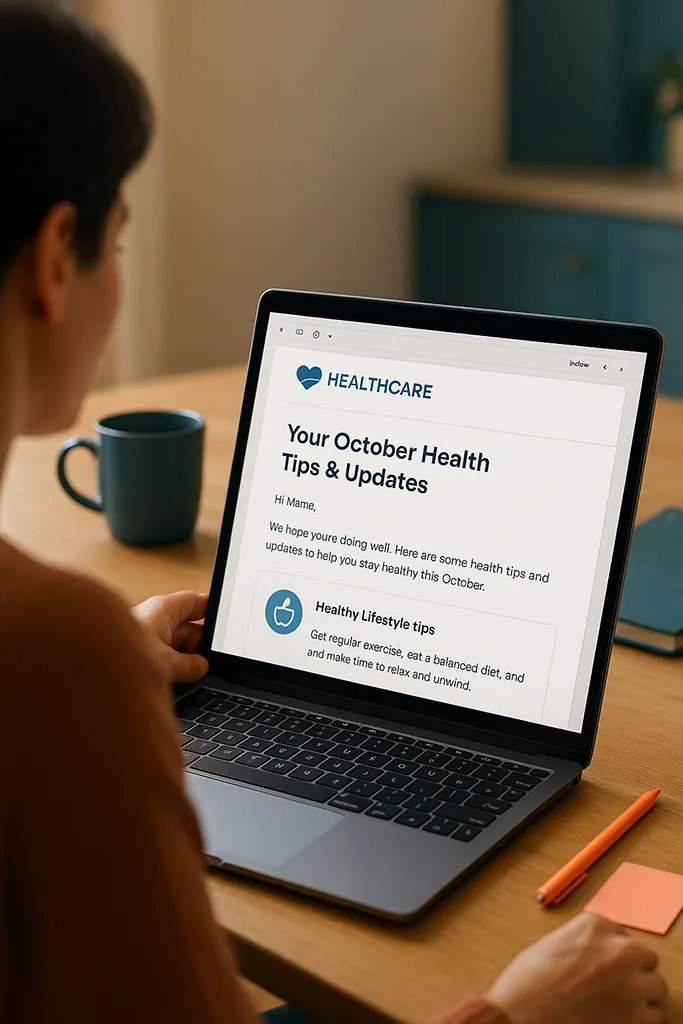
7. Basic Education and Gentle Check-ins
Help your clients help themselves. A friendly email newsletter (monthly is plenty) with home care tips, updates about holiday closures, or even a seasonal health note builds trust. Share experience-driven advice or gentle reminders about ongoing health support – this never needs to feel “salesy.”
Acupuncturists, for example, often share tips on how the changing seasons affect health. It doesn’t just keep you top-of-mind, it shows you care about wellness outside the clinic.
8. Creating a Warm, Welcoming Environment
Don’t underestimate the power of a calm, clean space. Keep your space uncluttered but comfortable. Don’t be afraid to let your clients see you wiping down tables and changing linens, so that they know it’s routine.
Think temperature control – menopausal clients may appreciate a cooler room, while others want extra warmth. Add small notes in a client’s file to prep the space to their taste (bonus: it makes you look super attentive).
Privacy and respect are also crucial. Make sure sound doesn’t carry beyond the room, use solid screens or doors and have changing spaces that feel truly private. It shows you value your clients not just as patients, but as people.
9. Accessibility as a Priority
Many clients come for help with mobility or other accessibility challenges. Be clear about how to find your clinic: highlight parking, public transport, any steps, or tight doors. If your building isn’t fully accessible, let people know in a gentle, matter-of-fact way and explain what workarounds you can provide.
Flexibility in booking also goes a long way for those who need a little extra time or support. Walk clients through access options before their first visit.
Prompt responses are important to all. Replying within 24 hours (or setting an autoreply if you can’t) shows reliability. Let people know when to expect to hear from you, so they never feel left hanging. Clear, timely communication builds trust and reassures clients that you run an organized, caring practice.

10. Acknowledging Problems and Handling Complaints
Things will go wrong sometimes – missed appointments, miscommunications, or unhappy clients. When that happens:
Sample approach: “I completely understand – life happens! If you’d like to rebook when you’re ready, just drop me a line. Looking forward to seeing you soon.”

Setting Boundaries for Sustainable Retention
You can be warm and flexible without running yourself into the ground. Boundaries protect both you and your clients in the long run.
Key principles for healthy boundaries:
Practical ways to keep boundaries strong:
Remember, you don’t need to be available 24/7 to keep clients happy. A balanced workload keeps you fresh, present and genuinely caring.
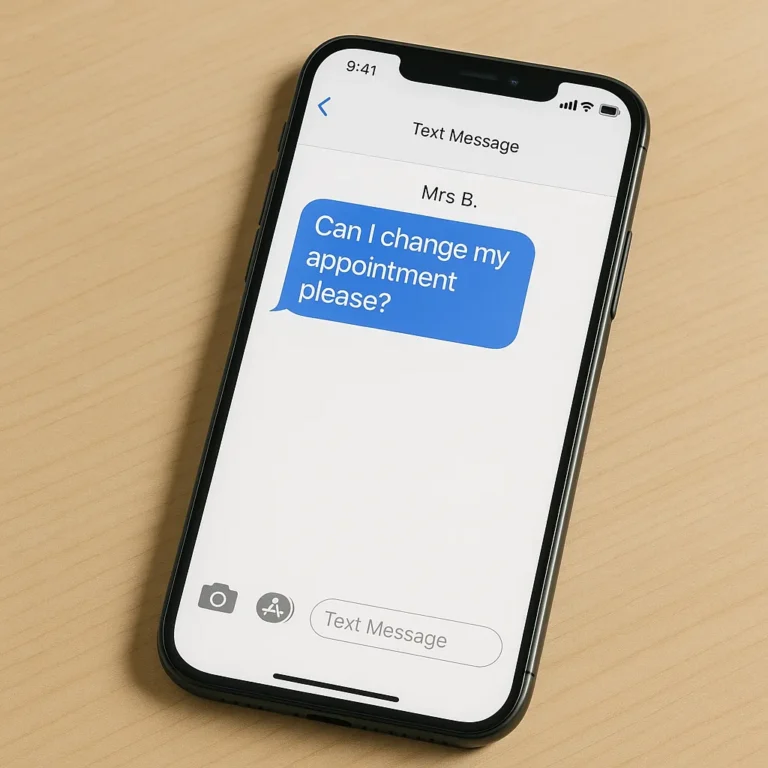
I always went through my cancellation policy as part of the intake process and explained that short notice cancellations could mean that I wasn’t able to offer the appointment to someone who might be waiting with a pain condition. Yes the cancellation policy was important for my cash flow but it was also important to provide treatment to others as soon as I could.
Key Client Retention Principles
Great client retention strategies for solo health practices aren’t about keeping people through gimmicks or pressure. They’re about honest connection and thoughtful routines – regular check-ins, remembering small preferences and making your practice a welcoming place.
People return because they feel cared for, not because they can’t go elsewhere. Most won’t get this level of attention or warmth from larger clinics or corporate practices. Make this your secret superpower.
You’ll find, over time, that these habits become second nature. You’ll work less, earn more and avoid burnout – not through tricks but through real, ethical care.
Please Share
Have you got a question that I haven’t answered here? Drop it in the comments. This space is for sharing, not just reading. Sometimes the best advice comes from those who’ve been in the same shoes.
Let’s build a supportive community where no one has to figure it all out alone. And if this helped you today, consider passing it on to a colleague who might need it – a little support goes a long way.
Please pin one of these images to your main business tips board!