Top 10 Mistakes to Avoid When Starting Your Solo Health Practice
If you’re an acupuncturist (as I was), or any other health provider flying solo, you’re not alone if you feel a bit lost or anxious about what comes next. Let’s take a look at the top common mistakes owners make when starting their own solo practice and some simple, workable ways to sidestep them.
1. Skipping a Simple Business Plan
You might think a plan is only necessary for large clinics or startups seeking investors. However, even a solo practice benefits greatly from having an organizational plan – it acts as your map and compass when starting a practice.
It doesn’t need to be complicated. A solid plan can be as simple as a page or two in a notebook. The key is to set clear goals and choose at least one metric to measure. This could be tracking how many client visits you want each week or the number of new inquiries per month. Defining your niche and outlining your financial goals helps clarify what a good month looks like for you. Even if you’re waiting for that first paying client, having a plan keeps you grounded and focused.
Keep it simple. Don’t overthink or write a novel. Just jot down your “why,” your basic goals, and what success means in your specific niche. When motivation wanes, revisiting these notes will remind you of how far you’ve come.
Benefits of an organizational plan:
Don’t worry about perfection. The important part is to start. Plans can and should evolve as you discover what works best for your solo practice. It’s much easier to adjust something you’ve already written than to create a new plan from scratch when you hit a rut.
2. Underestimating Startup Costs
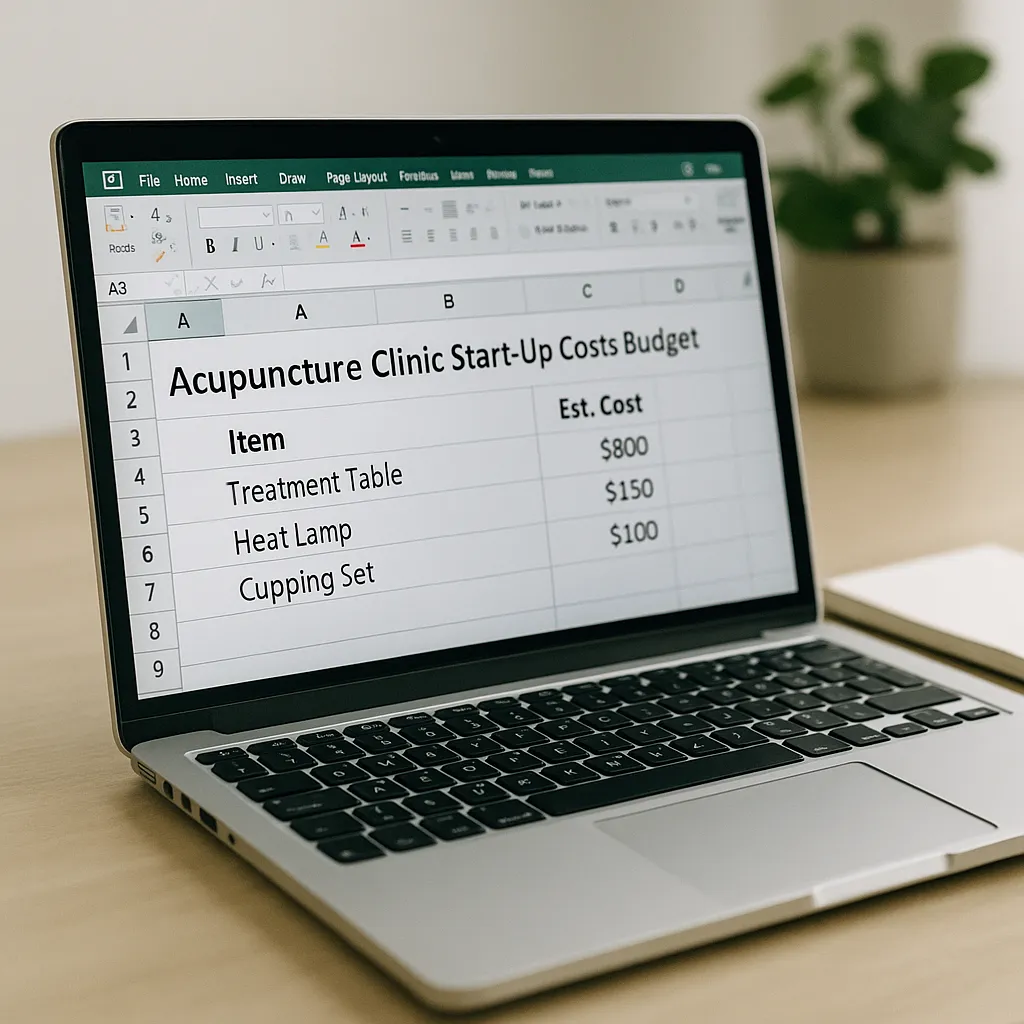
Here’s a sneaky one – underestimating start-up costs can leave you scrambling or even running out of steam before your private practice gets off the ground. Effective financial planning is key to setting realistic expectations. It’s not just buying needles or massage oil. Little things like a professional treatment table, furniture, licenses, business registration fees and even the right chair for your office all add up.
Let’s break it down:
Costs can pile up quickly if you underestimate expenses. Make two lists – one for must-haves and one for things that would be “nice” to add as you go. A financial forecasting process will help you anticipate opening weeks and the slower months (usually holiday and vacation times).
Budgeting tips:
This budgeting process will result in a solid financial plan and a little honest math now means fewer headaches or financial surprises later.
3. Failing to Set Clear Time Boundaries
Opening every hour for clients, paperwork and admin can wear you down before you know it. In a solo practice, without clear boundaries, you might end up feeling like you’re always “on”. Working around the clock increases the risk of burnout and leaves little room for rest.
To improve your time management, pick your working hours and commit to them consistently. Promote these hours in every way possible – on your website, on your office door, in your voicemail and even in your email signature. Make sure your friends and family respect these hours too, so you aren’t interrupted for non-emergencies.
Checklist for healthy time boundaries:
Don’t hesitate to enforce these boundaries – they’re essential to protecting your energy and preserving your passion for the work.

4. Overlooking Insurance and Licensing Requirements
Skipping insurance or licensing documentation can feel tempting – especially with so many other tasks demands on your time. However, this shortcut could easily backfire.
Insurance protects both you and your clients, while licensing ensures compliance with legal and regulatory requirements, keeping your private practice legitimate and trustworthy. These regulations can vary widely, sometimes even between neighboring towns or counties. What may work for a colleague across town, might not apply to your practice.
Demonstrating professionalism by displaying your license prominently, gives new clients peace of mind that you’re qualified – helping to avoid any awkward questions about your credentials.
Always check with your local regulatory body to confirm the exact compliance requirements for your field and location. Spending a little time on this documentation upfront can save you significant headaches down the road.
5. Not Tracking Your Finances Properly
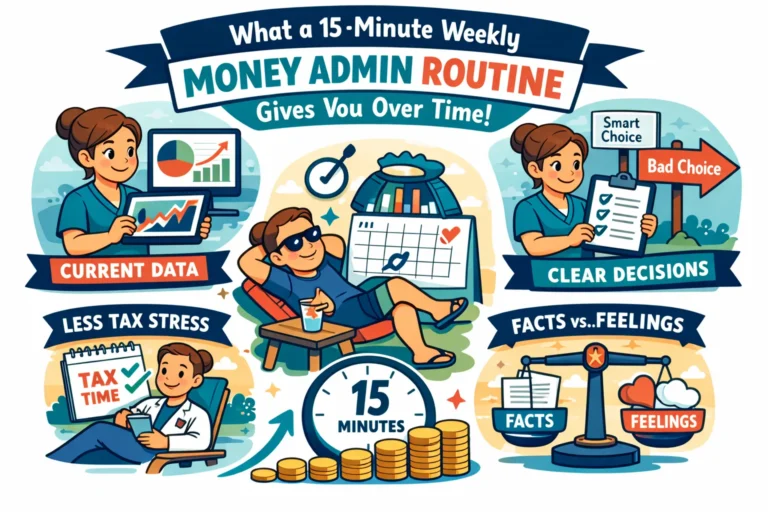
Let’s be honest – tossing receipts in a shoebox might feel efficient in the moment, but it quickly turns into a problem (especially at tax time). Developing an organizational system – even something as simple as a notebook or spreadsheet – can save you hours and money in the long run.
Why does this matter? Financial planning is essential because if you don’t track income and expenses accurately, you might end up overpaying taxes or missing out on important deductions. Plus, having clear financial documentation helps you stay on track with your financial goals and make smart decisions, like when to invest in that new treatment tool, or whether it’s time to raise your rates.
Step-by-step guide to basic finances:
If you don’t track, you could end up in trouble at tax time, or worse, flagged for mistakes or missing deductions you should get.
A small upfront effort with your finances makes year-end much less stressful. It took me a year or two to learn from this mistake (yes, despite having worked as an auditor previously) but after that I always felt a little smug when tax time rolled round.

6. Relying Only on Word of Mouth
Marketing plays a crucial role in growing your solo practice. While word of mouth is wonderful – a happy client refers their friend to you – underestimating marketing by relying solely on this can mean waiting longer than you’d like for a steady stream of clients.
Start by having a basic website that clearly lists your hours, location, services, how people can contact you and your current fees. Providing this information enhances the client experience by helping potential clients find you easily and understand what to expect. If possible, include a simple online booking option or a contact form to make connecting even more convenient.
One powerful (and free) tool to boost visibility is setting up your Google Business Profile. This ensures your clinic shows up in local searches and on Google Maps when potential clients look for healthcare services in your area.
Build connections and relationships with other local providers in different niches. This isn’t just networking for networking’s sake; it’s both practical and supportive. For example:
Collaboration, not competition, strengthens your network and encourages patient referrals, ultimately helping clients receive better care – even if that means referring them onward.
Don’t hesitate to share your work in local groups, online directories and allied health referral circles. You don’t have to do it all, but taking that step beyond waiting for your phone to ring can make all the difference.
7. Trying to Do Everything Yourself
Running a solo practice means wearing a dozen hats – receptionist, bookkeeper, cleaner, marketer, therapist and more. Sometimes, handling everything yourself isn’t realistic, or the best approach for effective practice management.
Consider hiring staff, even part-time, for cleaning or basic administrative tasks. Building your team doesn’t always mean hiring full-time employees. You might also outsource your organizational duties like bookkeeping or bring in an accountant to manage taxes. This approach not only saves you valuable time but also helps prevent costly mistakes and burnout.
Key jobs to consider outsourcing:
Pros and Cons of Outsourcing
|
Pros |
Cons |
|
Gives you more time for clients |
Extra monthly costs |
|
Reduces mistakes and stress |
May take time to find the right person |
|
Lightens your workload |
Need to trust and delegate to someone else |
You don’t have to outsource everything at once – start with the task you dread most or where errors could be costly. Outsourcing is a smart practice management strategy that supports your solo practice without overwhelming your schedule.
I worked only part time clinical hours so I did my own cleaning. Admin was greatly reduced for me by automating scheduling and using templates. I did however, hire an accountant and supplied them with my book keeping for them to prepare end of year accounts.

8. Ignoring Daily Self-Care
Caring for your clients is rewarding, but it can also be draining if you forget to care for yourself. Burnout can easily build up when you’re constantly putting others first, especially in a busy therapist practice where admin, paperwork and “one more” client keep filling your day.
Incorporate self-care into your daily time management – not just once a week. It could be a walk, a cup of tea, a quick stretch, or even setting boundaries by saying “no” to extra tasks outside your work hours.
“Self-care to me is not just about me, it’s about providing a great example for clients as well.”
When you make self-care visible, it improves the client experience by demonstrating to them that caring for themselves is important too.
A few simple self-care ideas:
Burnout often creeps in quietly, so recognize it early and respond with extra kindness toward yourself to sustain your therapist practice.
9. Setting Fees Too Low (and Not Reviewing Them)
When setting fees for your private practice, it’s tempting – especially early on – to keep rates low. You might think, “If I charge less, I’ll attract more clients.” However, without aligning your fees with your financial goals, you could end up working hard but not earning enough to cover bills or invest in your professional development.
Avoid racing to the bottom with your rates. If you want to offer a special rate, clearly label it as a discount rather than your standard fee. It’s important to factor in your training, business expenses, and background work as part of your overall financial plan – these elements are just as crucial as your clinical time but aren’t always visible to the client.
Review your fees yearly. Even a small increase helps protect your practice from rising rent or energy costs. Check what other providers in your area charge, but don’t let their prices force your rates lower than what supports your business.
Sample fee review checklist:
Maintain fees that allow your private practice to thrive without guilt. You deserve fair compensation, and your clients will value your transparency.
10. Forgetting the Importance of Fun and Celebration
Running a solo practice is hard – but it shouldn’t be all grind, all the time. If you’re constantly head-down in clinic work or paperwork, you risk losing your passion.
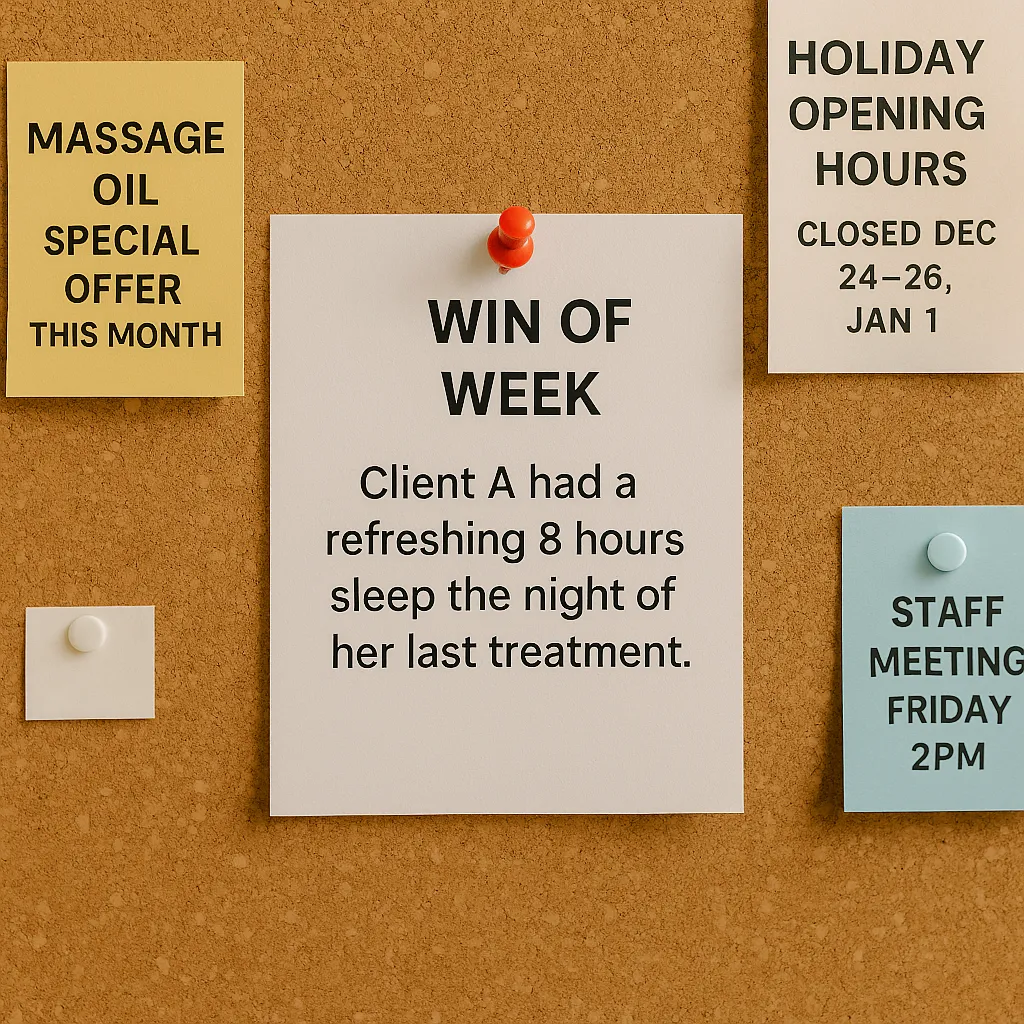
Make time for fun. Celebrate wins with clients to enhance the client experience, no matter how small. Maybe a client can finally put on their socks without pain after weeks of treatment – celebrate it, both for their sake and yours. Don’t forget to recognize your own milestones along the way.
Fun and celebration ideas:
Make time for fun – your work in your solo practice (and your clients) will benefit from a little extra joy.
No one starts out perfect. Most providers encounter common mistakes when starting a practice, especially in the early days of managing a solo practice or private practice. The real key is not to avoid slipping up entirely but to learn from those early missteps, adapt and make things easier for your future self.
Consistency counts. Establishing effective practice management processes and small automations (even if they begin as simple habits) helps you avoid mistakes that cause recurring headaches year after year. It can take time – sometimes a few years – to find your rhythm with paperwork, setting boundaries and prioritizing self-care.
If you feel like you’re taking two steps forward and one back, you’re not alone. You’ll move closer to a smooth, enjoyable practice with each year, and maybe with every tax return filed a little earlier than the last!
Please Share
Have you got a question that I haven’t answered here? Drop it in the comments. This space is for sharing, not just reading. Sometimes the best advice comes from those who’ve been in the same shoes.
Let’s build a supportive community where no one has to figure it all out alone. And if this helped you today, consider passing it on to a colleague who might need it – a little support goes a long way.
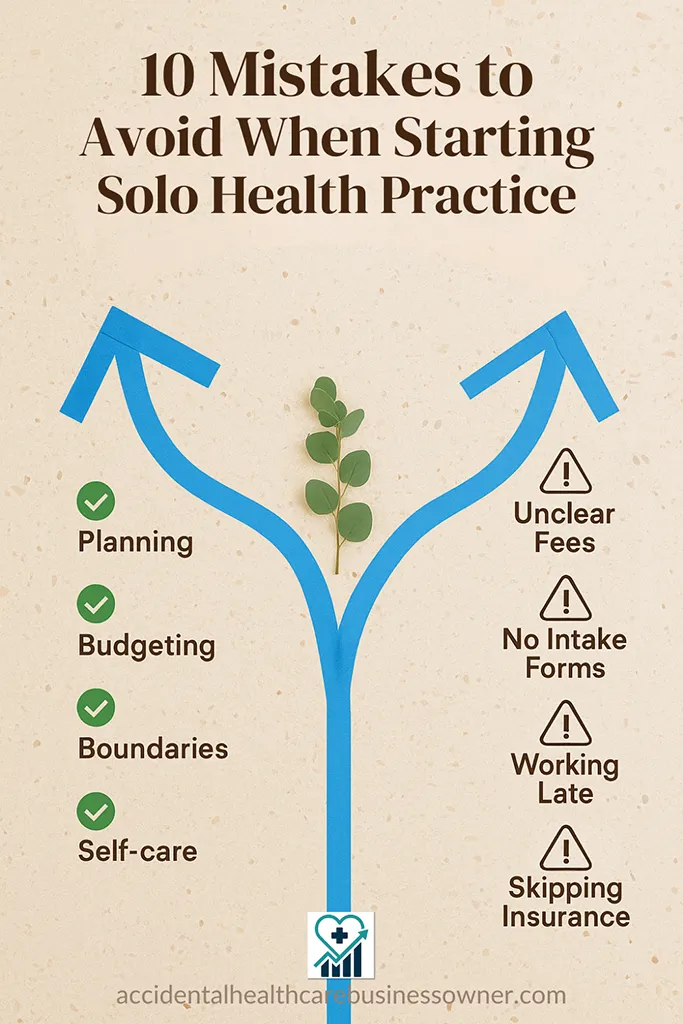
Please pin one of these images to your main business tips board!